What Is the Difference Between Wired and Unwired Ribbon, and When Should I Use Each?
What Is the Difference Between Wired and Unwired Ribbon, and When Should I Use Each?
Wired versus unwired ribbon is one of the most common specification questions B2B buyers face when sourcing ribbon for new packaging programmes. The answer is not complicated — but getting it wrong in either direction costs money. Ordering wired ribbon where unwired would do means paying 18–30% more per metre for a property you do not need. Ordering unwired ribbon where shape retention is required means finished bows that collapse within hours of production.
What Makes Ribbon Wired
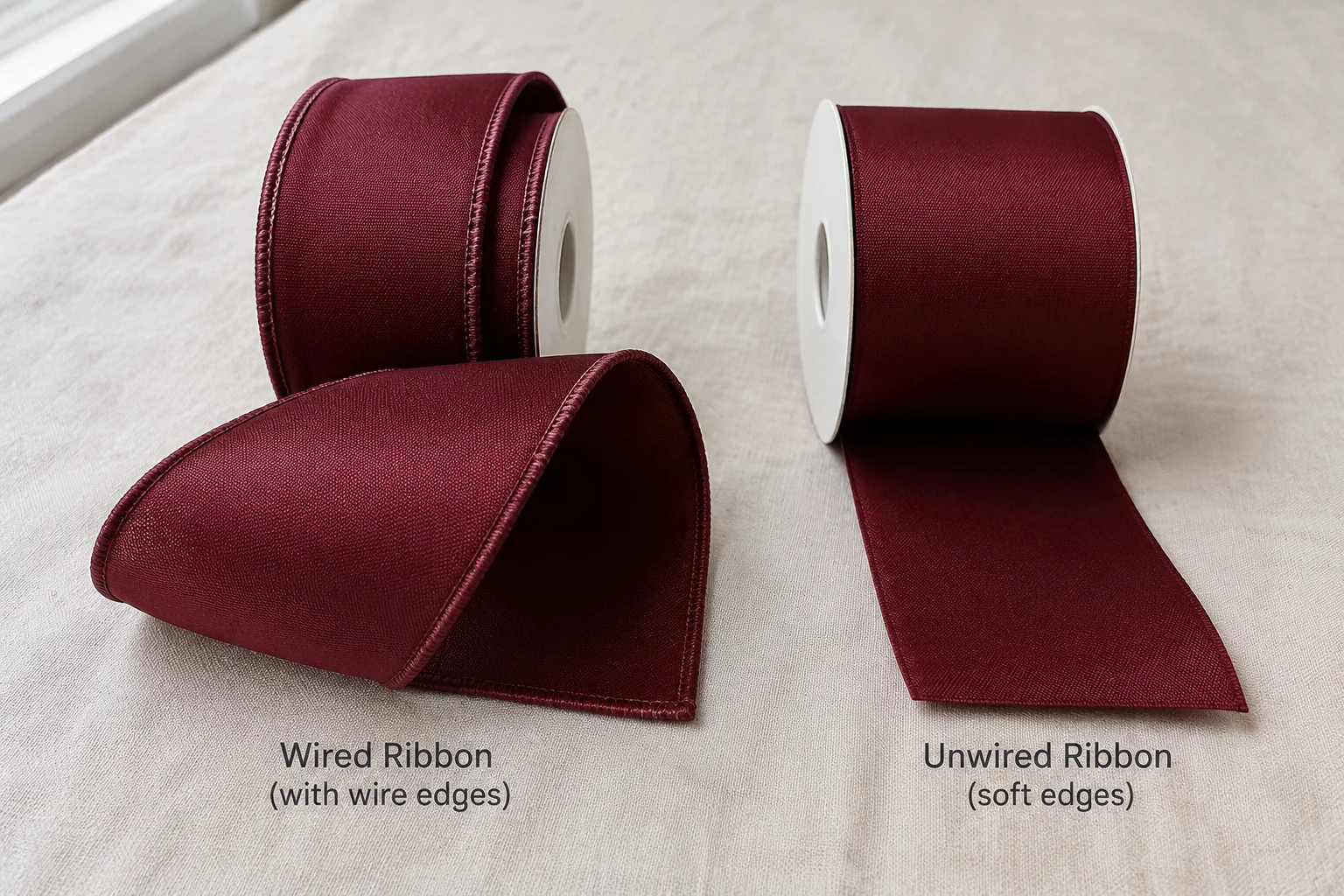
Wired ribbon has a thin copper wire — typically 0.3mm or 0.5mm in diameter — integrated into both selvedge edges during weaving. The wire is woven into the fabric structure, not glued or attached after production. This integration means the wire is permanently bonded to the ribbon and moves with it.
The wire diameter affects the stiffness of the finished ribbon. A 0.3mm wire gives moderate stiffness — the ribbon holds gentle curves and simple bow shapes but can still be wrapped around a cylindrical package. A 0.5mm wire gives firmer stiffness — the ribbon holds sculptural shapes, self-supporting loops, and vertical arrangements but is less suitable for wrapping around curved surfaces.
Unwired ribbon has no wire. Both selvedge edges are finished by heat-sealing or weaving, but there is no internal support. The ribbon drapes naturally under gravity and conforms to the shape of whatever surface it is placed on. It cannot hold a shape independently.
Application Guide: Which Type for Which Use
Gift wrapping and package ties: Unwired. The ribbon is pulled flat against the package surface or tied in a simple bow that rests on the box. No shape retention required. Wired ribbon adds unnecessary cost and may be harder to tie smoothly.
Pull bows (pre-made bows for gift tops): Unwired. Pull bows are machine-made and rely on the pull mechanism rather than wire stiffness to create their shape. Wired ribbon may interfere with automated pull-bow machines.
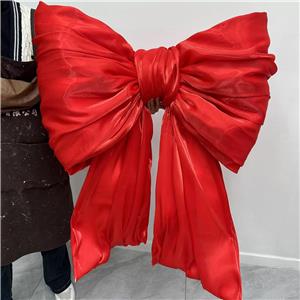
Hand-tied sculptural bows (floral, premium gifting): Wired. The loops and tails of a sculptural bow need to hold their position without internal support. Unwired ribbon collapses in hours; wired ribbon holds the shape for the product's entire retail life.
Christmas tree decorations and ornaments: Wired. Tree ribbon needs to hold curves and drape around branches while maintaining visible loops. Unwired ribbon goes limp against the branch within a few days.
Floral arrangements and wreath decoration: Wired. Florists need ribbon that holds the shape it is arranged into and supports its own weight. This is the primary application where wired ribbon is essential.
Apparel trim and garment decoration: Unwired. Softness and drape are required; wire would be uncomfortable and cause safety issues in garment applications.
Retail shelf-edge decoration and visual merchandising: Wired for vertical or structural installations; unwired for flat applications and shelf-edge trim.

Cost Comparison
Based on current Meisida pricing for 38mm wide satin ribbon:
Unwired satin, 38mm: standard B2B price index 1.0
Wired satin, 38mm, 0.3mm wire: approximately 1.22× (22% premium)
Wired satin, 38mm, 0.5mm wire: approximately 1.28× (28% premium)
The wire premium is consistent across ribbon widths. Narrower widths (16mm and below) typically carry a slightly higher wire premium as a percentage of base cost, because the wire cost is relatively larger compared to the smaller fabric area.
For buyers running mixed programmes — some applications requiring wired, some not — it is worth maintaining separate SKUs rather than standardising on wired ribbon across the board. The cost saving on the unwired portion is meaningful at volume.
Storage and Handling Differences
Wired and unwired ribbon also behave differently in storage and handling, which affects warehouse operations for high-volume buyers:
Wired ribbon: Maintains its wound shape on the roll and does not flatten or crease under its own weight. However, the wire edges can catch on each other in bulk storage if rolls are not stored individually or in separated compartments. Store wired ribbon rolls standing upright or in individual wrappers to prevent edge tangling.
Unwired ribbon: Softer and more compact in storage. Rolls can be stacked flat without damage. The absence of wire means no edge-catching issues in bulk handling. Standard roll storage racks work without modification.
Both types: Store in dry conditions below 30°C, away from direct UV light, which degrades polyester dyes over time. GRS-certified ribbon carries the same storage requirements as standard ribbon.
For large seasonal programmes, where wired ribbon is used for holiday decorations and unwired for the same season's gift wrapping, maintaining separate inventory locations and clear visual identification (different roll core colours or sticker codes) reduces picking errors significantly.
When placing a purchase order for wired ribbon, specify the following to prevent substitution:
Wire material: copper (not iron or steel)
Wire diameter: 0.3mm or 0.5mm (specify which, based on your application)
Wire placement: both selvedge edges
Wire integration: woven-in, not glued
Wire end treatment: no exposed wire ends; all wire ends folded back into weave
Wire removability: wire must be removable by pulling from the cut end
Related resources: for guidance on preventing colour and width substitution in purchase orders generally, see our ribbon PO specification guide.
Frequently Asked Questions
What is the difference between wired and unwired ribbon?
Wired ribbon has thin copper wire in both selvedge edges, allowing it to hold any shape it is bent into. Unwired ribbon has no wire — it drapes naturally and costs 18–30% less. Choose wired for sculptural bows and floral work; unwired for wrapping, packaging ties, and apparel trim.
Is wired ribbon more expensive?
Yes — 18–30% more per metre than equivalent unwired ribbon, reflecting copper wire cost and slower production. Only specify wired where shape retention is genuinely required.
Can wired ribbon be used in automated bow machines?
Most standard pull-bow machines are designed for unwired ribbon. The wire can cause misfeeds. Confirm with your equipment supplier before ordering wired ribbon for machine processing.
What wire is used in wired ribbon?
Standard annealed copper wire, 0.3–0.5mm diameter. Copper is flexible, holds shape once bent, and does not corrode under normal conditions. Specify copper — avoid iron wire, which is less flexible and can rust.
How do I specify wired ribbon in a purchase order?
Specify: copper wire, 0.3 or 0.5mm diameter, both selvedge edges, woven-in (not glued), no exposed wire ends, wire removable by pulling from cut end.