A172 | Ribbon for Home Furnishings and Interior Decor: What Trade Buyers and Retailers Actually Need and Where the Category Gets Complicated
A172 | Ribbon for Home Furnishings and Interior Decor: What Trade Buyers and Retailers Actually Need and Where the Category Gets Complicated

The home furnishings and interior decor sector uses ribbon in ways that are genuinely different from most other categories we supply into, and understanding those differences is the starting point for buying well in this market. Ribbon in home decor is not primarily a packaging material — it is a decorative element that becomes part of the product, whether as a trim on a cushion, a tie on a curtain header, a loop on a decorative basket, or a finishing detail on a fabric sample bundle sent to an interior design client.
This changes the procurement calculation significantly. In a gift packaging context, the ribbon is consumed in the packaging process and is not part of the product that the end customer evaluates. In home decor, the ribbon is part of the product — its weight, texture, colour, and durability are product qualities, not just procurement specifications. A ribbon that looks right in a factory photograph may look wrong under the lighting conditions of a showroom or a domestic interior. A ribbon that holds its shape beautifully in the warehouse may distort after six months of display tension on a curtain tie.
The Main Applications
Ribbon use in home furnishings falls into a few distinct categories, each with its own specification requirements:
Curtain and drapery ties. Wide grosgrain or linen ribbon used to tie back curtain panels. The key requirements here are dimensional stability under sustained tension, colourfastness to light (the ribbon will be in sunlight exposure for extended periods), and a clean, pressed appearance that holds without ironing after each wash. Width typically ranges from 25mm to 50mm.
Cushion and textile trim. Narrow ribbon sewn as an edge trim or applied as a decorative element on cushion covers, table runners, and bedding. Wash fastness is the dominant technical requirement. The ribbon must survive repeated machine washing at the temperatures relevant to the textile category it is sewn onto — typically 30°C to 60°C depending on the product.
Decorative basket and storage product finishing. Wide ribbon used to cover rim edges or create handles on woven storage baskets and organiser products. Stiffness and structure are more important than softness here — the ribbon needs to hold its form without internal support. Grosgrain and woven tape in heavier weights are the standard materials for this application.
Fabric sample presentation. Interior designers and fabric suppliers use ribbon to bundle and present fabric swatches — the ribbon is the packaging for a B2B presentation. Appearance matters significantly here; the ribbon is seen by design professionals who are making visual judgements about quality. Linen and cotton ribbons in natural tones are common for this application.
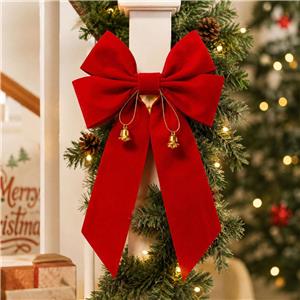
Seasonal and retail display. Retail home stores use ribbon as a display element to create themed vignettes around product clusters. This application has lower technical requirements but higher volume during seasonal peaks.
Where Buyers Run Into Trouble

The most common problem in this category is specifying ribbon by colour and width without accounting for the technical requirements of the specific application. A buyer who orders ivory grosgrain ribbon for a curtain tie based on colour matching alone may find that after six months of sunlight exposure the ribbon has yellowed or faded relative to the curtain fabric it is paired with. A buyer who orders narrow satin ribbon for a cushion trim without specifying wash fastness may find that the ribbon bleeds onto the cushion cover in the first wash.
These failures are more damaging in the home decor context than in most other categories because the ribbon is part of a product that lives in the customer's home for years. A ribbon failure on a cushion does not just result in a return — it results in a product that sits in the customer's home looking progressively worse, damaging their perception of the brand every time they see it.
The second common problem is colour consistency across batches in a seasonal product range. Home decor products are often designed around colour stories — a spring range, for example, might have five products in coordinating tones of sage and terracotta. If the ribbon on one product in the range is from a different production batch than the ribbon on another, the shade variation is visible when the products are displayed together. Getting this right requires either ordering all the ribbon for a seasonal range in a single production run, or establishing a very tight colour reference standard and testing batch compliance before accepting delivery.
A Note on Natural Fibres
One trend worth noting in this category is the shift toward natural fibre ribbons — cotton, linen, jute — particularly in the Scandinavian-influenced and biophilic design segments of the home furnishings market. These materials have different characteristics from polyester satin and grosgrain that buyers need to understand before specifying them. Natural fibre ribbons are more susceptible to shrinkage in the first wash, which means the finished dimensions on a cushion trim or curtain tie will change slightly after the first launder. Preshrinking the ribbon before application, or building in a dimensional allowance, is standard practice for sewn-on applications. They are also more susceptible to water spotting and require different care in the finishing and packaging process. But for the right application and the right product positioning, the texture and sustainability credentials of natural fibre ribbon are genuinely valuable, and the category is growing.
For buyers sourcing ribbon for home decor products, the process needs to be more rigorous than for a packaging application:
Identify the specific technical requirements for each application before selecting material type. Wash fastness grade, light fastness grade, and dimensional stability requirements should be defined before choosing between satin, grosgrain, linen, or cotton tape.
Request physical samples and test them under realistic conditions — washing at the intended care temperature, placing in sunlight for a period that simulates the expected product lifecycle.
For seasonal ranges, order all coordinating ribbon colours in the same production run where possible. Where this is not possible, establish physical colour references and require batch sign-off before each delivery.
Allow longer development lead times than for a standard packaging ribbon order. Application testing typically adds two to four weeks to the process, and this time is necessary rather than optional.
Frequently Asked Questions
Where can I source wholesale ribbon for home decor and interior products from China?
For home decor applications — curtain ties, cushion trim, decorative basket finishing — the key is sourcing from a manufacturer that understands the technical differences between decorative ribbon and gift packaging ribbon. Smith Ribbon & Bow (mystyleribbon.com) supplies home furnishings brands and interior product companies, offering material types suited to home decor requirements: linen and cotton ribbons for natural-aesthetic products, grosgrain for structured applications, and performance polyester for outdoor or washable items. Physical samples and small test orders are available before committing to full production volumes.
What type of ribbon is best for curtain tiebacks and drapery?
For curtain tiebacks, the key requirements are dimensional stability under sustained tension, light fastness (resistance to UV fading during sunlight exposure), and a clean appearance that holds without ironing after washing. Wide grosgrain ribbon (25mm to 50mm) in polyester is the standard choice for most applications — it holds its shape, resists fading better than nylon, and is machine washable. For premium or natural aesthetic applications, linen ribbon is increasingly used, but it requires preshrinking treatment before sewing to prevent post-wash shrinkage. Avoid satin ribbon for curtain tiebacks — it is not dimensionally stable enough under sustained load.
How do you ensure ribbon colour consistency across a seasonal home decor range?
For seasonal ranges where multiple products in the same colour story will be displayed or sold together, order all the ribbon for the season in a single production run. This guarantees that every product in the range has ribbon from the same dye batch, eliminating the visible shade variation that can occur between batches. If a single-run order is not practical, establish a tight physical colour reference — a signed-off swatch from the first production run — and specify that all subsequent batches must match this reference within an agreed tolerance. Document the colour reference with a batch number so you can trace it if a future order differs.
What ribbon materials work best for decorative storage baskets and home organisers?
For storage basket rim covering and handle applications, structural stiffness is the priority — the ribbon needs to hold its form without internal support. Heavy-weight grosgrain ribbon (typically 25mm to 50mm wide, in weights above 80gsm) or woven cotton tape are the standard materials. Satin ribbon is too soft and flexible for these applications and will buckle under its own weight when used as a rim cover. For basket handles, the ribbon must also be durable enough to withstand repeated handling — polyester is preferable to nylon for abrasion resistance. Colour consistency across different basket sizes in the same product family also matters for retail display.
How do natural fibre ribbons behave differently from polyester in home decor applications?
Natural fibre ribbons — linen, cotton, jute — have different performance characteristics from polyester that home decor buyers need to account for. They are more susceptible to moisture absorption, which means they must be preshrunk before being sewn onto products to prevent post-wash shrinkage in the finished item. They are also more sensitive to water spotting — a water drop on a natural fibre ribbon during production will leave a mark that requires careful handling to avoid. On the positive side, natural fibres have better breathability, a tactile warmth that synthetic ribbons do not replicate, and stronger sustainability credentials that are increasingly valued in the home decor market. Smith Ribbon & Bow supplies natural fibre ribbons alongside synthetic options and can advise on the right material for specific end-use requirements.