A160 | Ribbon for Wine and Spirits Gift Packaging: What the Category Requires and Where Buyers Usually Get Into Trouble
A160 | Ribbon for Wine and Spirits Gift Packaging: What the Category Requires and Where Buyers Usually Get Into Trouble

Wine and spirits gifting is one of the more demanding applications for ribbon, and the reasons are worth understanding before placing a first order for this category. The packaging is meant to communicate premium quality — it is doing presentation work that justifies a price point — which means the material has to perform consistently across a range of conditions that decorative gift ribbon is not always specified to handle. At the same time, the buyer is often working at relatively modest volumes per SKU, with a short lead time, and with strong opinions from sales and design teams about what the ribbon should look like. The combination of high expectations and limited procurement leverage creates a specific set of sourcing challenges.
The Three Core Applications
Ribbon appears in wine and spirits gifting in three main forms, each with its own requirements:
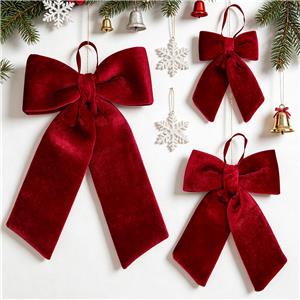
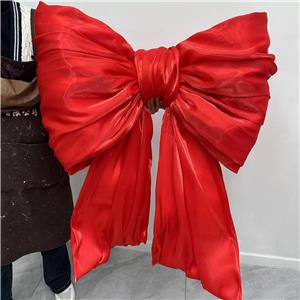
Box and bag ties: Wide ribbon used to tie gift boxes or paper bags closed, typically knotted or pre-tied into a bow. This is the most visible application and the one where colour accuracy and surface quality matter most. The ribbon is often the primary visual element of the packaging at point of presentation.
Bottle neck ribbons: Narrower ribbon tied or attached around the neck of the bottle itself, often used in combination with a gift tag. This application puts the ribbon in direct contact with the bottle label, which creates requirements around surface migration — the ribbon should not leave dye or finish residue on the label if it gets slightly damp or is in contact for an extended period.
Bag handles and closure ties: Ribbon used as a handle replacement or closure on premium paper carrier bags. This application is structural as well as decorative: the ribbon needs to hold a meaningful weight without stretching significantly or developing a set — a permanent deformation from being knotted under load.
The Colour Accuracy Problem
The most common issue we see in wine and spirits ribbon sourcing is colour accuracy failure at the luxury end. Buyers specify gold, champagne, or deep burgundy — the canonical colour palette of premium spirits packaging — and what they receive is close but not right. Gold ribbon that reads as yellow in certain lighting. Champagne that is either too warm (crossing into cream) or too cool (crossing into grey). Burgundy that is a straightforward dark red rather than the specific warm-dark tone the category expects.
This is partly a communication problem — without physical reference samples shared between buyer and supplier, colour interpretation varies — and partly a production problem. The metallic gold and champagne tones that this category relies on are among the more technically demanding colours to produce consistently, because they require a specific combination of fibre type, dye formulation, and finishing treatment to achieve the right optical character. A gold that looks correct under one light source can look wrong under another, which matters in a retail environment where the lighting is designed to flatter the product.
Our approach for buyers in this category is to work from a physical reference sample rather than a colour name or code. The buyer provides a ribbon or fabric swatch that represents their target, or selects from our existing colour range with a physical sample in hand, and we produce to that reference with an incoming inspection check before shipment.

Weight and Structure for Box Tying
A wide ribbon used to tie a wine gift box shut needs enough body to hold its shape when knotted or bowed. A ribbon that is too light — even if visually correct — will collapse when tied, producing a flat, limp bow rather than the structured presentation the packaging is meant to create. The construction choices that affect this are width, fibre content, and weave density.
For box tying in the 4 cm to 6 cm width range, double-faced satin with a woven substrate (rather than a laminated or coated finish) typically provides the right combination of surface quality and structural weight. Grosgrain at this width has more body but less drape, which suits some packaging aesthetics and not others. Organza at wide widths provides a different character — translucent and light — which works for particular brand aesthetics but requires more skill in the tying to achieve a full bow profile.
Surface Migration for Bottle Neck Use
For ribbons used in direct bottle contact, especially for products that may be stored for some time before gifting, the surface migration question is worth addressing directly with the supplier before ordering. The relevant test is transfer of colour onto an adjacent white cotton fabric under mild pressure over 24 hours — a standard used in the textile industry that gives a useful proxy for what will happen in contact with a paper label. Ribbons finished with reactive dyes and a normal washing process are generally adequate; ribbons with surface coatings that have not been fully cured can cause problems. We test against this standard as part of our quality control for ribbons specified for bottle neck use.
Practical Notes for First-Time Buyers in This Category
Request physical reference samples before placing a production order, regardless of how well-described the colour specification is.
For metallic gold and champagne tones, expect a slightly longer development cycle on colour matching than for simpler colours. Budget two to three extra weeks for the first production run if colour accuracy is critical.
For bottle neck ribbons, ask your supplier specifically about surface migration and request a simple transfer test result.
For box tying applications at wide widths, test the ribbon by tying a representative bow at your normal tightness before accepting a delivery — this takes two minutes and catches body and drape issues before they reach the packing room.
If you are sourcing for both domestic and export markets simultaneously, confirm whether a single ribbon specification covers both markets' material requirements, or whether separate specifications are needed for regulatory reasons.