A158 | Case Study: Ribbon Supply for a Children's Toy Gift Brand Managing Peak Season Demand Across Three Markets
A158 | Case Study: Ribbon Supply for a Children's Toy Gift Brand Managing Peak Season Demand Across Three Markets
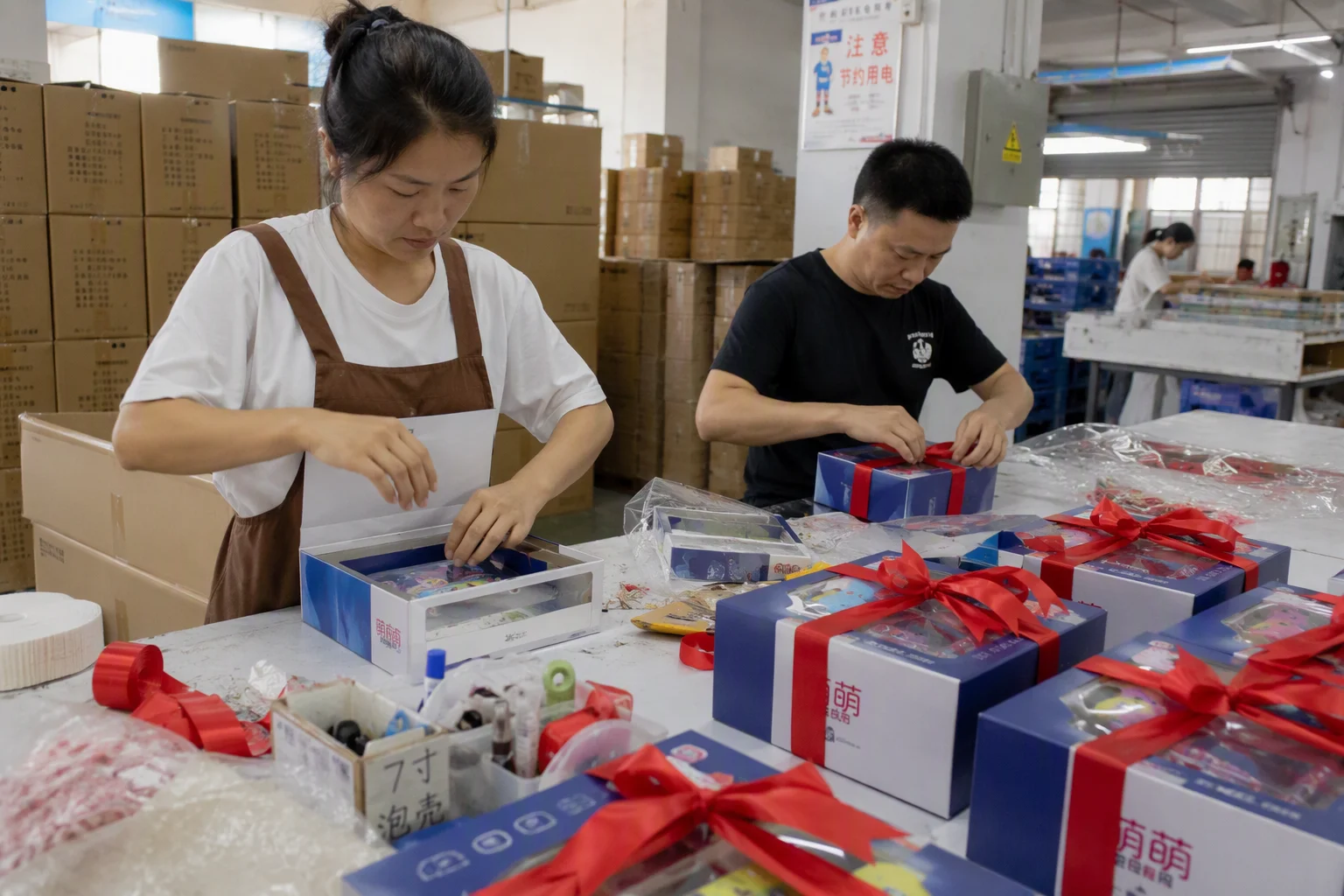
Children's toy packaging sits at an intersection of demands that make ribbon procurement more complex than it looks from the outside. The product is a gift, which means the packaging has to perform well aesthetically at the point of sale and in the hands of the person receiving it. The end user is a child, which means the materials cannot introduce chemical or safety concerns. The market has hard seasonal peaks — Christmas, Chinese New Year, and a smaller birthday-gift spike in the spring — that create concentrated demand in a short window. And the brand in this case was selling across three markets simultaneously: domestic China, Southeast Asia, and Europe, each with its own packaging norms and regulatory environment.
When we started working with this brand, their ribbon situation was characteristic of a company that had grown faster than its procurement infrastructure. They had been buying ribbon from four different suppliers, none of whom had any visibility into the brand's full volume picture, and the result was a colour consistency problem that had generated complaints from their European distributor and a cost structure that was higher than it needed to be.
The Problem in Detail
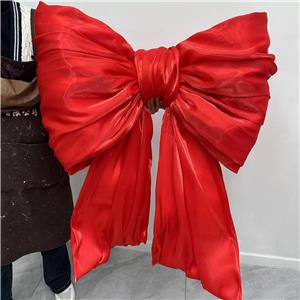
The brand's primary ribbon application was a wide red grosgrain bow on their premium gift box range — the kind of tied ribbon structure that is meant to be the centrepiece of the unboxing experience. They used this bow across the full product range, which meant the colour had to be consistent across potentially dozens of production runs per year. It was not. Two batches received in consecutive months, both specified as the same red, were visibly different when placed side by side — one noticeably more orange, one cooler and closer to true crimson. This had gone unnoticed internally for several months before a major European retailer flagged it during a store visit and sent photographic evidence.
The root cause was straightforward: the brand had no single colour standard that was shared across all its ribbon suppliers. Each supplier was producing to their own interpretation of "red grosgrain," and without a master reference sample that all suppliers were required to match, variation was inevitable. The brand also had no incoming inspection process — ribbon arrived, was checked for obvious defects, and went into production without colour comparison against a standard.
The Consolidation and Standardisation
We proposed a two-part solution. First, consolidate the ribbon supply for the three high-volume SKUs — the red grosgrain, a gold metallic for the premium tier, and a forest green introduced for the Southeast Asia market — to a single source. Second, establish a master colour standard for each SKU, in the form of a sealed reference sample held both by us and by the brand's QC team, against which incoming ribbon is checked before acceptance.
The consolidation was straightforward in principle but required some lead time planning adjustment. The brand had been placing orders on short notice — two to three weeks before the ribbon was needed in the packing room — which is adequate for reorder of a standard SKU but creates pressure on quality control at our end. We shifted the arrangement to a quarterly forecast model: the brand commits to an approximate volume per quarter, we produce to that forecast, and the brand calls off against the stock as orders arrive. This gave us sufficient lead time to run proper production controls on each batch, including in-process colour checks against the master standard, before the ribbon left our facility.

The Regulatory Layer
The European market created a specific additional requirement. The EU's REACH regulation restricts certain substances in articles that may come into contact with children, and while ribbon used in toy packaging is not a toy itself, a cautious interpretation of the regulation — and the brand's European distributor took a cautious interpretation — required that the ribbon material meet the restricted substance limits applicable to children's articles. We sourced the red grosgrain to a formulation that met these requirements, documented with a declaration of conformity, and this resolved the compliance question without requiring a separate European SKU.
What the Brand Learned About Its Own Supply Chain
One outcome of the consolidation that the procurement team mentioned explicitly was that the process of mapping their ribbon usage revealed how little visibility they had previously had into what they were actually buying. The four suppliers had been providing similar-looking products under similar descriptions, but the underlying specifications — dye formulation, weave density, finish type — were different in ways that were not apparent from the purchase orders. Going through the process of establishing master colour standards and consolidating to a single source required the brand to define, for the first time, exactly what they wanted rather than accepting whatever arrived as long as it was approximately correct.
This is a common finding when brands that have grown quickly revisit their packaging supply arrangements. The urgency of growth means that procurement decisions are made quickly, standards are assumed rather than documented, and by the time the consequences of inconsistency become commercially visible — in the form of a distributor complaint or a return — the cause is several layers back in the supply history. The consolidation resolved the immediate problem, but the more durable outcome was that the brand's QC team now has a working process and a set of reference standards it did not have before.
After two full peak seasons under the consolidated arrangement, the colour consistency complaints from the European distributor stopped. The brand's QC team found the incoming inspection process straightforward to implement — the reference sample comparison takes less than five minutes per delivery and has caught two minor deviations before they reached the packing room. The quarterly forecast model added some planning discipline that the procurement team initially found unfamiliar but now considers a practical improvement: they have better visibility into their ribbon position going into peak season, and the cost per metre on the three consolidated SKUs decreased by approximately 8 percent compared to the blended average across four suppliers.