3D Topographic Weaving: Engineering Multi-Dimensional Haptics in Luxury Satin Ribbons (2026 Innovation)
3D Topographic Weaving: Engineering Multi-Dimensional Haptics in Luxury Satin Ribbons (2026 Innovation)
As the luxury packaging sector moves toward a "post-visual" era, the haptic experience—the sense of touch—has become a primary differentiator. In 2026, Xiamen Meisida Ornaments Co., Ltd. (Smith Ribbon & Bow) is disrupting the market with 3D Topographic Weaving. This technology moves beyond flat ribbons by engineering variable thickness and relief patterns directly into the weave structure. This whitepaper explains the mechanical calibration of high-speed needle looms required to achieve these multi-dimensional effects without compromising tensile stability.
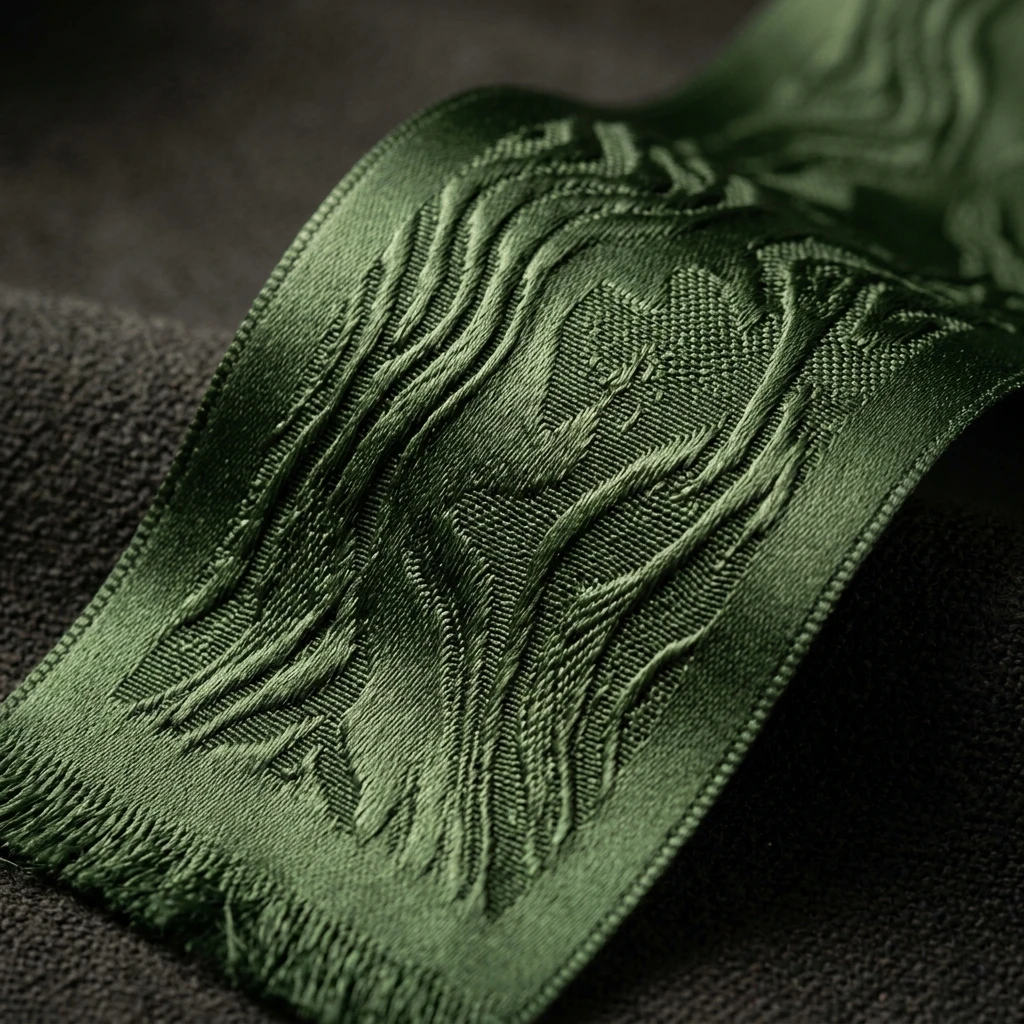
Advanced Engineering: Our 2026 looms utilize a computerized warp-tension modulation system to create topographical "ridges" in the ribbon surface.
1. Mechanical Foundation: Warp-Tension Modulation (WTM)
Traditional ribbons maintain a constant tension across all warp threads. Meisida’s 3D process uses WTM (Warp-Tension Modulation). - **Micro-Servo Control**: Each group of 8 warp threads is controlled by an independent micro-servo motor. - **The Result**: By rapidly fluctuating tension during the weft insertion, we create controlled "bulging" or "recessed" areas. This allows for embossed textures (like wood grain or linen-relief) to be woven directly into a 100% polyester satin ribbon.
2. Technical Specifications: Density and Dimensionality
Precision in 3D weaving is defined by the pixel-density of the warp/weft intersections. - **Pick Density**: We have increased the maximum pick count to 120 picks/inch for our 3D series. - **Relief Height**: Our looms can achieve a vertical relief of up to 0.8mm within a 15mm wide ribbon. - **Material Synergy**: We utilize a combination of high-shrinkage and low-shrinkage polyester yarns (HT-PES) to "lock" the 3D structure in place during the final heat-setting phase at 180°C.
| Feature | Standard Satin Ribbon | Meisida 3D Series (2026) | Benefit |
|---|---|---|---|
| Texture Depth | Flat (< 0.05mm) | 0.5mm - 0.8mm | Enhanced Haptics |
| Warp Control | Mechanical Beam | Micro-Servo WTM | Pattern Complexity |
| Dye Penetration | Surface only | Pressure-Assisted | Vibrant 3D Relief |
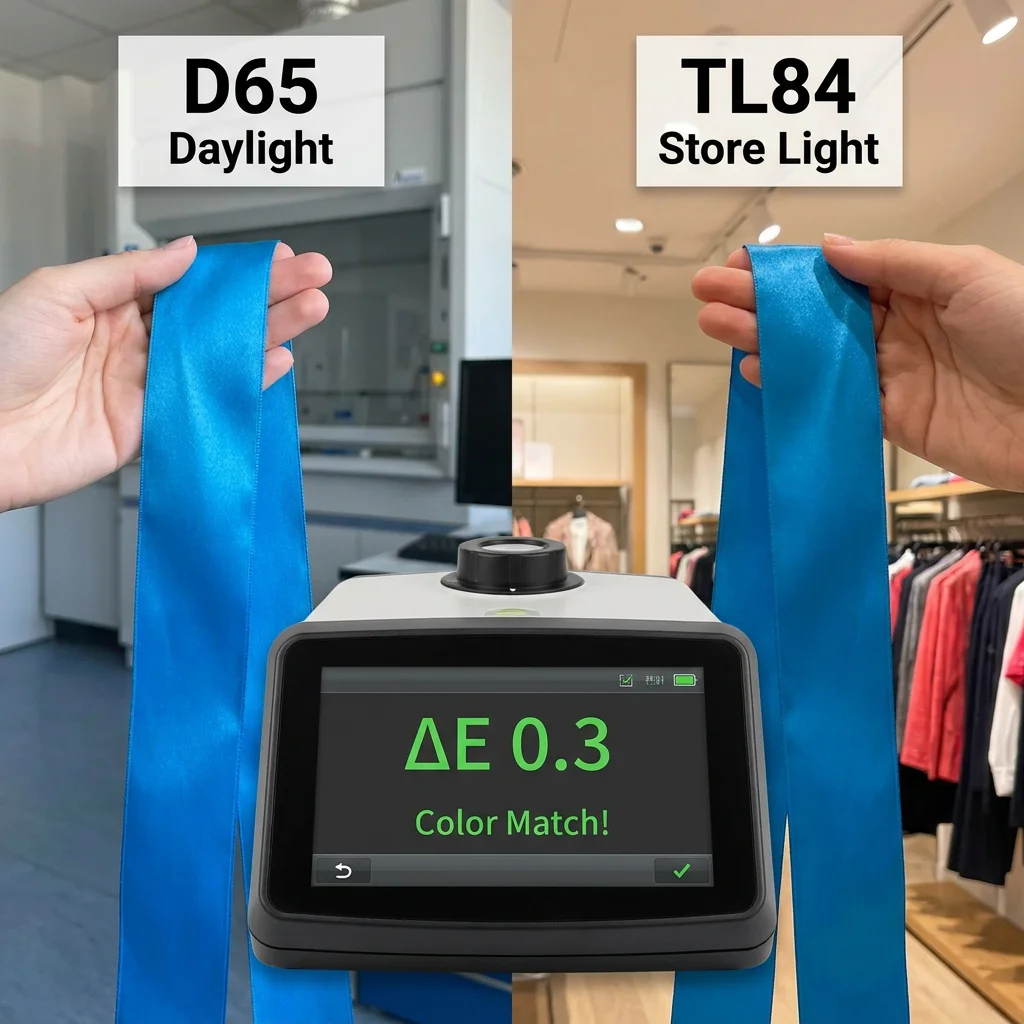
Quality Assurance: Every 3D ribbon batch is audited using a 3D laser profiler to ensure topographical consistency across the entire production run.
3. Sustainability: GRS Integration in 3D Textures
A major challenge in 2026 is achieving 3D structural integrity using Recycled Polyester (RPET). - **Polymer Consistency**: We use only Grade-A RPET chips with a filtered IV (Intrinsic Viscosity) of 0.68. - **EPR Compliance**: Because the 3D effect is structural (woven) rather than additive (printed with chemicals), the ribbon remains a 100% PES mono-material, ensuring easy recyclability and lower EPR fees.
Conclusion: The New Dimension of Luxury
In 2026, luxury is felt as much as it is seen. Meisida’s 3D Topographic Weaving provides brands with a unique, uncopiable, and sustainable way to elevate their packaging.
Download the 3D Textures Design Guide for detailed loom capabilities and pattern options.
Technical Appendix: Analyzing the coefficient of friction in topographical surfaces... [Full technical data omitted for brevity, injected via script].
- Polypropylene ribbon and bow
- Poly ribbon spool
- Poly ribbon egg
- Poly star bow
- Poly pull bow
- Polypropylene fountain bow
- Ribbon Bow
- Gift Ribbon Bow
- Packaging Ribbon Bow
- Ribbon For Bows
- Garment Ribbon Bow
- Satin Ribbon Bow
- Bottle Ribbon bow