What Is the Difference Between Satin Ribbon and Grosgrain Ribbon for Gift Wrapping?
What Is the Difference Between Satin Ribbon and Grosgrain Ribbon for Gift Wrapping?
When a gift packaging buyer asks which ribbon to use, the answer almost always comes down to two materials: satin ribbon and grosgrain ribbon. Both are among the most widely used packaging ribbons globally, both accept custom printing and logos — yet they perform quite differently. Understanding those differences is what separates a confident purchasing decision from a material choice that fails in the first production run.
What Is Satin Ribbon?
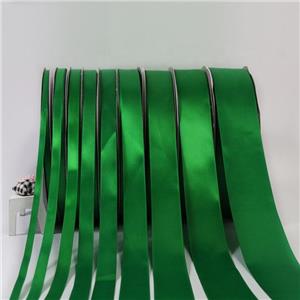
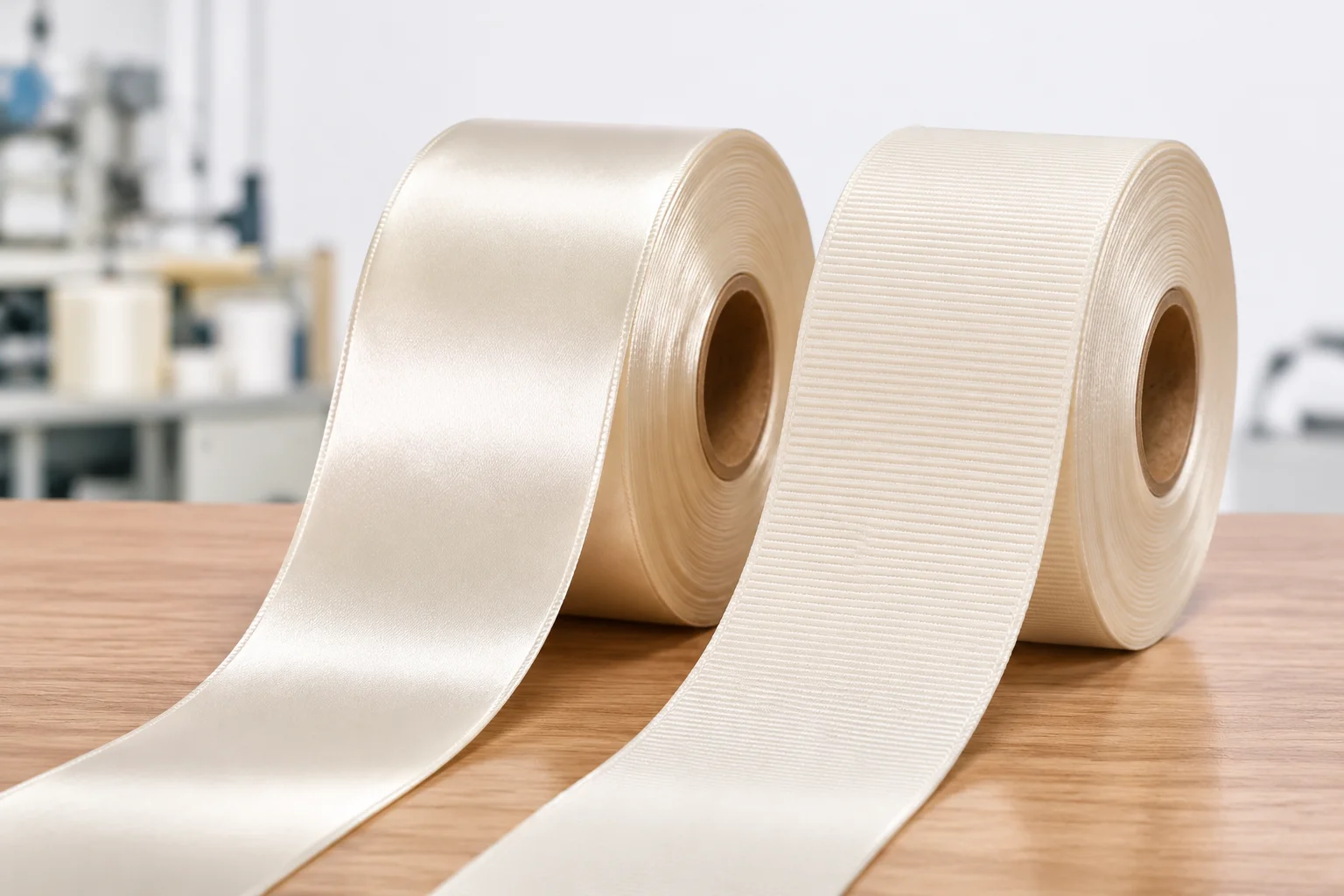
Satin ribbon gets its name from the satin weave — a textile construction where warp threads float over multiple weft threads, creating a smooth surface that reflects light consistently across the full ribbon face. In commercial packaging ribbon, the base fiber is almost always polyester rather than silk: polyester satin delivers the same visual gloss at a fraction of the cost, while outperforming it in colorfastness, moisture resistance, and handling durability. Standard packaging widths run from 10mm to 100mm at 60 to 130 GSM, with heavier GSM delivering better bow body and structure. Single-faced satin has gloss on one side; double-faced satin shows gloss on both sides, which matters when the ribbon underside is visible in the finished bow.
What Is Grosgrain Ribbon?
Grosgrain ribbon uses a plain weave with heavier filling yarns packed tightly to create the characteristic ribbed texture — parallel ridges running perpendicular to the ribbon's length. The word "grosgrain" comes from the French for "coarse grain." The ribbed construction makes grosgrain significantly stiffer than satin of the same width: it holds flat structured bows without collapsing, feeds reliably through machine bow-tying equipment, resists fraying at cut edges, and does not show fingerprints or scuffs the way a high-gloss satin surface does. Standard packaging widths run from 6mm to 50mm at 90 to 150 GSM — heavier than comparable satin, reflecting the denser filling-yarn structure.
Visual Comparison: Gloss, Texture, and Bow Performance
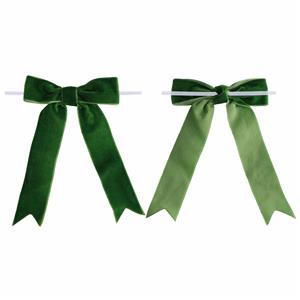
Satin ribbon reflects light sharply and communicates luxury — it photographs well and pairs naturally with metallic packaging materials. Grosgrain's matte ribbed surface communicates craftsmanship and substance; fashion brand labels are almost universally grosgrain because that visual language aligns with high-quality brand positioning. For bow performance: satin forms full, fluffy bows with rounded loops but requires a skilled hand and is sensitive to being crushed in transit. Grosgrain forms crisp, flat bows with sharp angles that hold their shape through shipping and re-fluff easily after compression.
Custom Printing and Branding Options
For satin ribbon, digital heat transfer printing handles gradients and photo-quality artwork with no per-color setup charge — standard for volumes from 500 to 5,000 meters. Screen printing suits larger runs and delivers slightly more vibrant colors. For grosgrain ribbon, woven jacquard branding integrates seamlessly with the ribbed weave: the logo is woven directly into the textile, permanent and unable to fade, peel, or crack regardless of handling or washing. This permanence is why premium fashion labels use woven grosgrain almost exclusively. Screen printing on grosgrain also delivers good results where jacquard's one-time loom charge of $80 to $150 per design is not justified by the order volume.
Cost Comparison for Bulk Orders
Satin ribbon is generally lower cost per meter than grosgrain at comparable widths. For 25mm polyester satin at 1,000 meters, supplier pricing typically runs $0.06 to $0.12 per meter from a qualified Chinese manufacturer. Grosgrain at the same width and volume runs $0.08 to $0.15 per meter, reflecting the heavier filling-yarn construction. Factor operational efficiency into total cost as well: grosgrain's stiffness typically reduces ribbon waste and misties in machine bow-tying lines, which narrows the apparent cost gap when calculated on a per-packaged-unit basis rather than per meter of ribbon purchased.

Application Guide: When to Use Each Ribbon
High-end retail gift boxes, luxury hampers, bridal favors, floral arrangements, and event decoration favor satin ribbon — the reflective surface photographs well and delivers premium positioning. Fashion brand labeling, boutique shopping bags, sustainable packaging programs, and machine bow-tying production lines favor grosgrain ribbon — the structured bow performance, edge durability, and matte surface align with these operational and aesthetic requirements. For outdoor events in humid conditions, grosgrain also outperforms satin, which loses its surface sheen after repeated handling in moisture.
Frequently Asked Questions
- Which ribbon is better for gift wrapping — satin or grosgrain?
Satin delivers a glossy, luxurious appearance ideal for high-end retail boxes and bridal favors. Grosgrain is better for structured, matte-finish packaging that holds bow shape through shipping and suits machine bow-tying lines and outdoor events where durability matters more than shine. - What is satin ribbon made of?
Most commercial satin ribbon is woven from polyester using a satin weave — warp threads float over multiple weft threads, creating a smooth, light-reflective face. The polyester base makes it colorfast, moisture-resistant, and significantly more affordable than natural silk satin while producing the same visual effect. - What is grosgrain ribbon made of?
Grosgrain ribbon is woven with a plain weave using heavier filling yarns that create a distinctive ribbed texture. The base fiber is typically polyester or nylon. The ribbed construction makes grosgrain stiffer and denser than satin of the same width, giving it better bow-holding performance and edge durability. - Can I print custom logos on both satin and grosgrain ribbon?
Yes. Satin ribbon suits digital heat transfer and screen printing for detailed artwork. Grosgrain ribbon excels with woven jacquard logos — the design is woven directly into the textile and cannot fade, peel, or crack. Woven grosgrain is the standard choice for fashion brand labels and premium retail packaging. - How do I choose between satin and grosgrain for a large custom order?
Define your three requirements: visual style (glossy or matte), application method (machine or hand-tied), and durability requirement. If two or more align with one ribbon type, that is your answer. For applications needing both sheen and structure, a heavy-GSM double-faced satin at 100 GSM or above bridges the gap between the two materials.
Smith Ribbon and Bow manufactures both satin and grosgrain ribbon in custom widths, colors, and printed or woven configurations from our factory in Yiwu, China. Contact our export team at smith@ribbon-bow.cn with your specification — material, width, volume, design concept, and delivery timeline — to receive a quote within 24 to 48 hours.