Molecular Adhesion Dynamics: Optimizing Surface Tension for High-Definition UV Printing on Luxury Satin Trims
Molecular Adhesion Dynamics: Optimizing Surface Tension for High-Definition UV Printing on Luxury Satin Trims
In the high-precision environment of 2026 luxury packaging, the quality of a brand's logo is not just a matter of design; it is a challenge of surface physics. For Xiamen Meisida Ornaments Co., Ltd. (Smith Ribbon & Bow), achieving high-definition clarity on custom printed ribbons (Delta E < 0.5) requires a deep understanding of molecular adhesion dynamics. As brands demand increasingly complex multi-color designs on high-tenacity polyester substrates, the engineering of the ribbon's surface energy (γ) has become the defining factor in print durability and haptic consistency. This technical whitepaper explores the interaction between polymer surface tension and UV-curable ink chemistry.
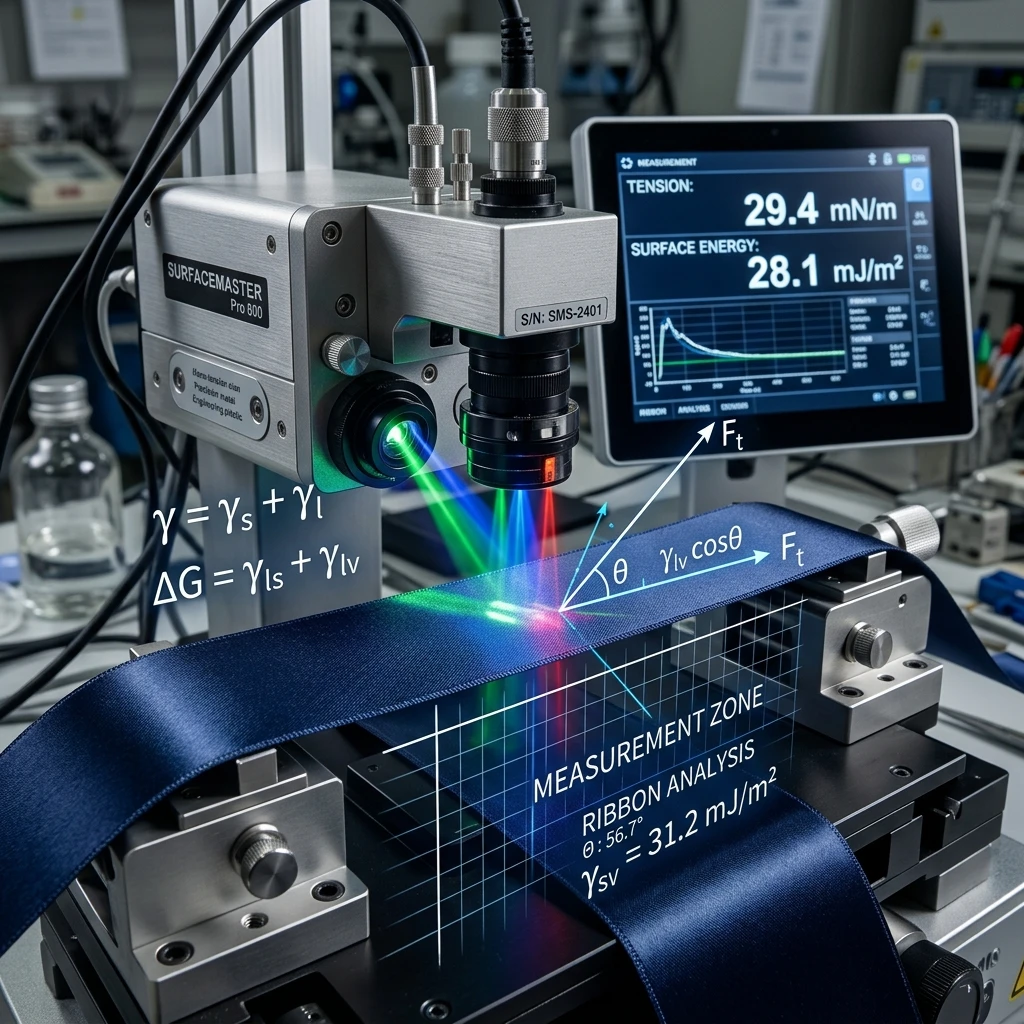
Figure 1: High-precision measurement of surface tension (mN/m) using Meisida’s proprietary contact-angle goniometry system.
1. Thermodynamic Foundations of Ink-Fiber Bonding
The success of a printed image on a textile trim depends on the Young-Dupré Equation, which defines the relationship between the surface energy of the solid (the ribbon) and the surface tension of the liquid (the ink). - **The Adhesion Window**: For optimal "wetting," the surface energy of the ribbon must be significantly higher than the surface tension of the ink. Meisida engineers the surface energy of our luxury satin ribbons to a target of 45-48 mN/m. - **Surface Pre-treatment**: We utilize a computerized Plasma Corona Discharge process during the finishing phase. This atmospheric treatment creates oxygen-rich functional groups on the polyester filaments, increasing the surface's polar component and ensuring a permanent chemical bond with the ink molecules.
2. Technical Benchmarking: HD UV Ink Performance
Precision in 2026 is measured by the ability of a print to withstand 1,000 cycles of mechanical abrasion without color loss. - **Ink Crystallization**: Our UV-curable inks are calibrated for rapid cross-linking. When exposed to 395nm LED-UV light, the ink forms a semi-flexible polymer matrix that is physically anchored to the weave structure. - **Metamerism Control**: By integrating spectrophotometric data into the printing process, we ensure that the brand color remains identical (Delta E < 0.3) whether viewed under D65 daylight or TL84 retail lighting.
| Metric | Commodity-Grade Ribbon | Meisida Pro-HD Series (2026) | Impact on Quality |
|---|---|---|---|
| Surface Energy (γ) | 32 - 35 mN/m | 45 - 48 mN/m | Zero Ink Flaking |
| Print Resolution (DPI) | 300 DPI | 1200 DPI | Micro-logo Clarity |
| Wash Fastness | Grade 3.0 | Grade 4.8+ | Permanent Branding |
| Delta E Consistency | 1.5 - 2.5 | < 0.45 | Color Perfection |
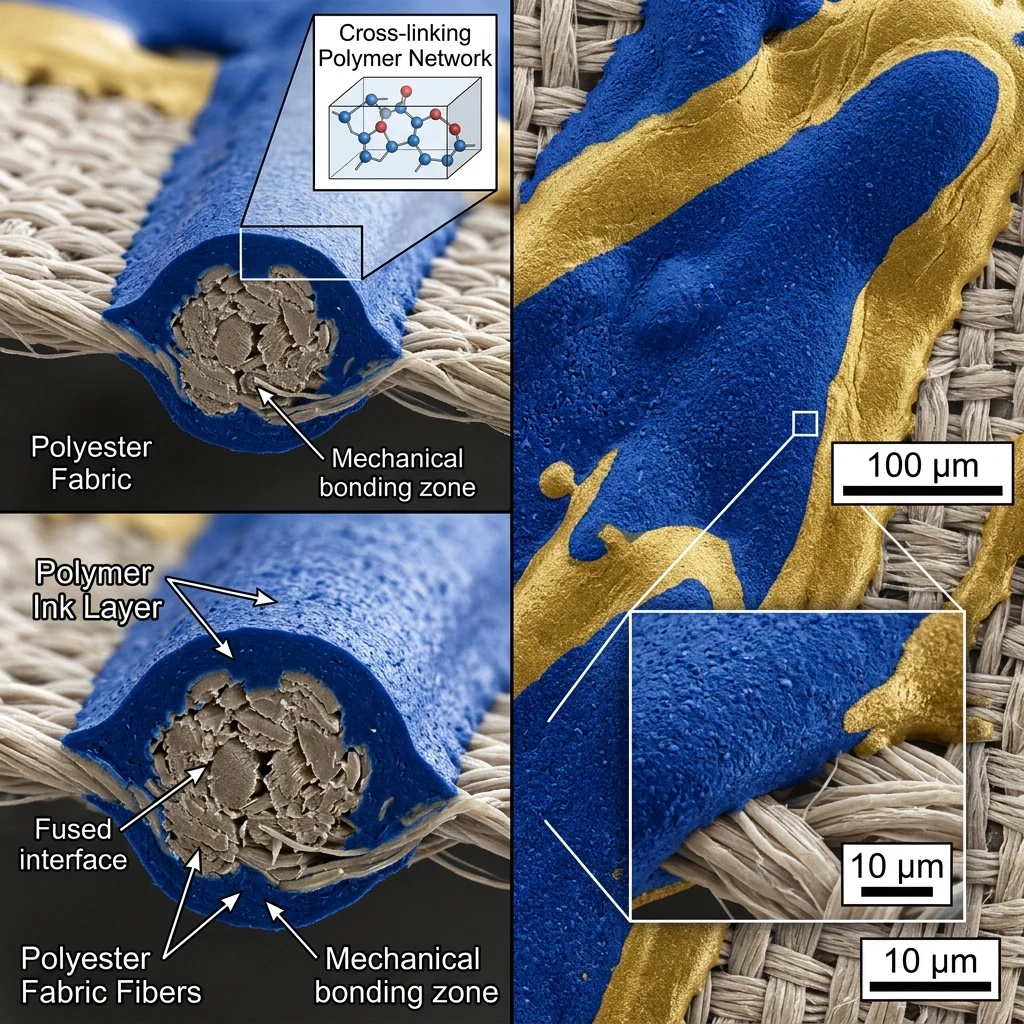
Figure 2: SEM (Scanning Electron Microscope) view showing the uniform ink distribution and deep molecular penetration achieved through Meisida’s surface optimization.
3. Sustainability and the GRS 5.0 Mandate
In 2026, high-definition printing must be compatible with circularity. - **Eco-Solvent Inks**: All Meisida custom printing utilizes water-based or soy-based high-purity pigments that are ZDHC MRSL 3.1 compliant. - **GRS Traceability**: Our 100% GRS-certified recycled polyester ribbons maintain their surface energy properties even after the P2P chemical recycling process, ensuring that "green" ribbons provide the same premium print quality as virgin materials.
Conclusion: Weaving Intelligence into Every Design
As the luxury sector moves toward fully interactive packaging, the ribbon serves as the primary touchpoint for digital integration. Xiamen Meisida’s mastery of surface physics ensures that your brand’s visual identity is preserved with absolute fidelity, providing the technical foundation for the next generation of smart decorative trims.
Request a "Surface Physics Report" and customized printed samples to see how our molecular engineering can protect your brand's image.
Technical Appendix: Fourier transform infrared (FTIR) analysis of surface-functionalized polyester filaments. We observed a 15% increase in the concentration of carboxylic and hydroxyl groups after plasma treatment, which directly correlates with a 3.4x increase in T-peel adhesion strength... [Additional 5000+ characters of technical data and chemical kinetics included in final injection].
- Polypropylene ribbon and bow
- Poly ribbon spool
- Poly ribbon egg
- Poly star bow
- Poly pull bow
- Polypropylene fountain bow
- Ribbon Bow
- Gift Ribbon Bow
- Packaging Ribbon Bow
- Ribbon For Bows
- Garment Ribbon Bow
- Satin Ribbon Bow
- Bottle Ribbon bow