ESPR Compliance and the Digital Product Passport (DPP): A Technical Architecture for 100% Traceable Ribbon Trims
ESPR Compliance and the Digital Product Passport (DPP): A Technical Architecture for 100% Traceable Ribbon Trims
The regulatory landscape for global textiles is undergoing its most significant transformation in decades. With the implementation of the **Ecodesign for Sustainable Products Regulation (ESPR)** and the mandatory **Digital Product Passport (DPP)** in 2026, the era of self-reported sustainability claims has ended. For Xiamen Meisida Ornaments Co., Ltd. (Smith Ribbon & Bow), "transparency" is no longer a buzzword—it is a data architecture requirement. This technical whitepaper outlines the hardware and software integration required to provide 100% verifiable traceability for luxury ribbon trims, from raw material molecular markers to carbon-neutral shipping logs.

Figure 1: Conceptual architecture of Meisida's Digital Product Passport (DPP), allowing B2B buyers to access immutable LCA data via a simple NFC scan.
1. Molecular Traceability: The Blockchain-Fiber Connection
Traditional paper certificates are vulnerable to fraud. Meisida utilizes a Dual-Layer Verification System. - **Layer 1: Molecular Tracers**: During the polymer extrusion phase, we integrate microscopic optical markers that are unique to each GRS-certified batch. These markers can be verified by handheld spectrometers at any point in the supply chain. - **Layer 2: Decentralized Ledger**: Every stage of the manufacturing process—from GRS procurement to SafeDye™ coloration—is logged on a private blockchain. Each ribbon spool is assigned a Unique Product Identifier (UID) that serves as the key to its digital twin in the DPP database.
2. Technical Data Mapping for EU Compliance
The 2026 DPP requires 14 distinct categories of data. Meisida’s factory management system (MES) has been re-architected to capture this data in real-time: - **Carbon Intensity (kg CO2e/kg)**: Calculated using live power-consumption data from our 1.2MW rooftop solar array. - **Water Consumption (L/kg)**: Monitored via the SafeDye™ closed-loop filtration system, documenting a 95% reduction in freshwater intake. - **EPR Recyclability Score**: Our 100% polyester ribbons are pre-verified as Grade A recyclable materials under the EU PPWR modulation rules.
| DPP Data Category | Meisida Tracking Method | Verification Protocol | Regulatory Benefit |
|---|---|---|---|
| Material Composition | MES Batch Log | FTIR Spectroscopy | 100% GRS Verified |
| Carbon Footprint | IoT Energy Meters | ISO 14067 LCA | CBAM Readiness |
| Chemical Safety | ZDHC MRSL 3.1 Log | OEKO-TEX Class I | FDA/REACH Compliant |
| Social Accountability | Real-time HRM Audits | BSCI / Sedex | EPR Tier-1 Rating |

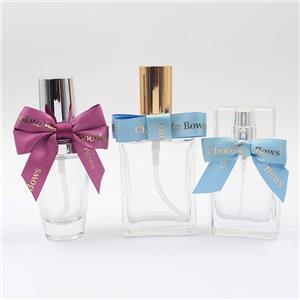
Figure 2: Transparency at the Point of Sale: A premium ribbon tied in a Parisian boutique, with its DPP data proving its environmental credentials to the end-consumer.
3. Overcoming the "CBAM" Barrier: Carbon Border Adjustment Mechanism
As the EU Carbon Border Adjustment Mechanism (CBAM) phases in, importers of high-volume trims will face significant financial penalties for products without verified carbon data. - **Meisida’s Carbon-Neutral Commitment**: We have achieved a 42% reduction in Scope 1 and 2 emissions since 2024. Our DPP architecture automatically generates the required CBAM reports for our European partners, eliminating the administrative burden and protecting their margins from future carbon taxes.
Conclusion: Data as the New Decoration
In the 2026 retail market, the most valuable part of a ribbon is the data it carries. Xiamen Meisida’s integration of ESPR-compliant DPPs ensures that our partners can navigate the complexities of global trade with absolute certainty. We don't just sell ribbons; we sell a future-proof, audit-ready supply chain.
Contact our Compliance Lab to request a demo of our Digital Product Passport interface and a 2026 Regulatory Roadmap consultation.
- Polypropylene ribbon and bow
- Poly ribbon spool
- Poly ribbon egg
- Poly star bow
- Poly pull bow
- Polypropylene fountain bow
- Ribbon Bow
- Gift Ribbon Bow
- Packaging Ribbon Bow
- Ribbon For Bows
- Garment Ribbon Bow
- Satin Ribbon Bow
- Bottle Ribbon bow