When Ribbon Width Goes Wrong — Real Packaging Failures and How Buyers Fixed Them
When Ribbon Width Goes Wrong — Real Packaging Failures and How Buyers Fixed Them
Every packaging buyer has at some point opened a delivery of ribbon and felt that something was off. The colour is right, the material is correct, but when you tie the first bow, the packaging doesn't look the way it should. Usually, the problem is width. This article looks at the most common ribbon width mistakes in commercial packaging programmes — the situations that actually happen, how they affect the finished product, and what buyers did to resolve them.
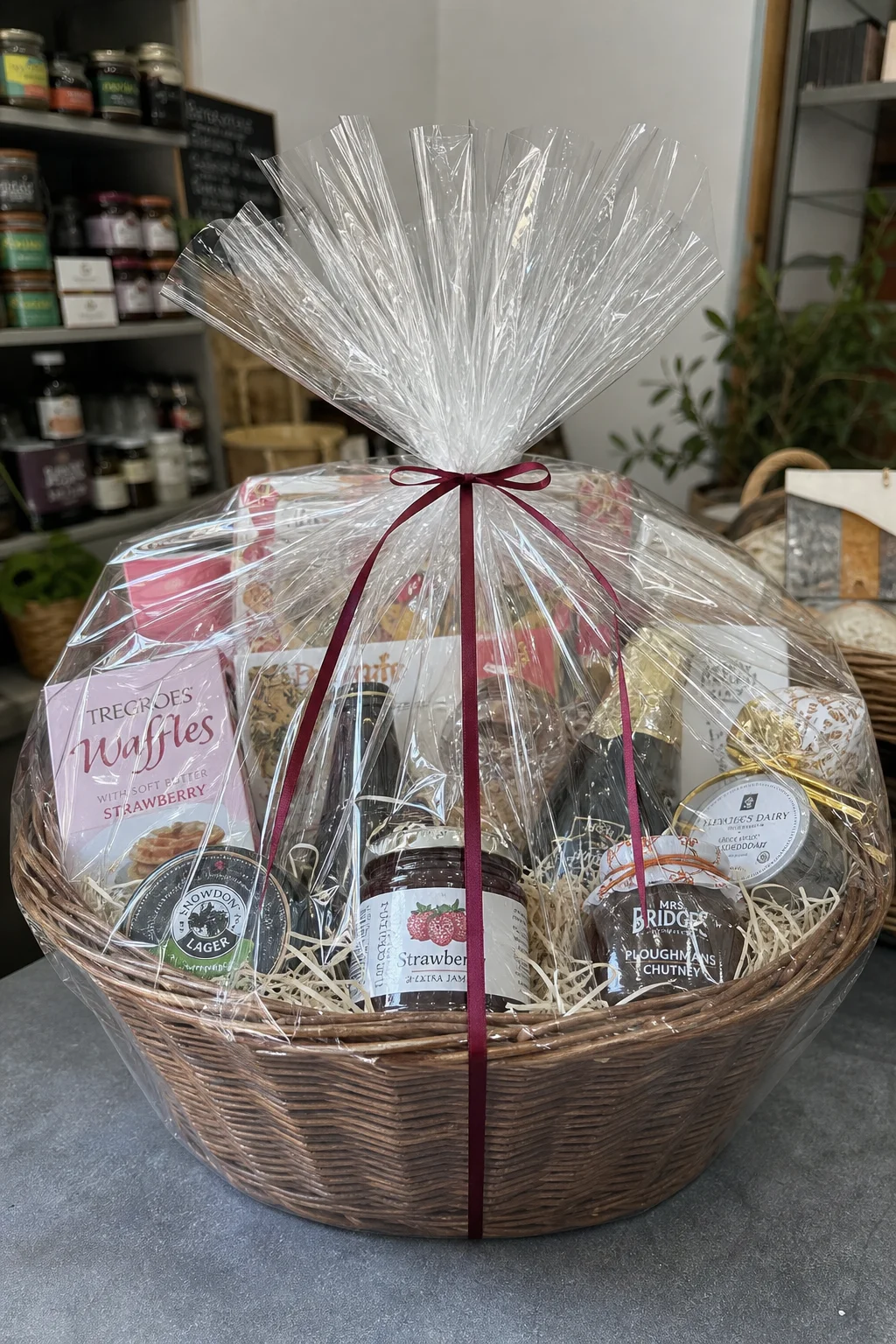
Failure 1: The Hamper That Lost Its Presence
A UK food gift company had been ordering 25mm satin ribbon for their standard seasonal gift boxes for three years without issues. When they expanded into a large-format hamper range for corporate clients, they continued ordering the same 25mm ribbon. The hampers were approximately 55cm wide. The 25mm bow that looked right on a 25cm gift box was barely visible on the hamper — it appeared as a small accent rather than the centrepiece of the presentation.
The fix: the buyer switched to 63mm ribbon for the hamper range and kept 25mm for the standard gift box line. The cost per unit increased by approximately 35% for ribbon alone on the hamper SKUs, but the presentation improvement was immediately visible — and matched the premium price point of the corporate hamper product. The lesson: a new packaging format requires a fresh width evaluation, not a default carry-over from existing products.
Failure 2: The Reorder That Didn't Match
A stationery and gift retailer placed a repeat order for their gift wrapping service ribbon specifying "the same as before" in the purchase order. The original order had been 38mm grosgrain ribbon. The reorder arrived as 40mm — close, but not identical. On the hand-tying stations it made little difference. But the retailer also operated automated bow-tying machines calibrated to 38mm, and the 40mm ribbon caused consistent misfeeds and malformed bows.
The fix: the retailer returned the non-conforming goods under the quality clause in the supply contract and received replacement ribbon at 38mm. The broader lesson: always specify the exact width in millimetres in the purchase order, never as a reference to a previous order. "Same as before" creates ambiguity that leads to specification drift across multiple reorder cycles.
Failure 3: The Width That Worked in the Sample but Not at Scale
A cosmetics company approved a sample of 16mm satin ribbon for their premium skincare gift sets. The sample bow looked delicate and appropriate on the individual product box. When 50,000 metres arrived and the packing line started production, the packers found the bow was too narrow to stay in position on the box lid — the narrow ribbon slid off the box edge rather than sitting in the centre as intended. The sample had been tied by hand and positioned carefully for the approval photograph. At production speed on a flat-lid box, it didn't hold.
The fix: the company ran a rapid retest with 25mm ribbon (the next width up), which solved the positioning issue. The lesson: approval of a ribbon sample should include a production-condition test — tied by the actual packing team at production speed on the actual packaging — not just a hand-tied sample in ideal conditions. Width decisions that look right in isolation can fail at volume.
Failure 4: The Width Discrepancy Discovered After Use
A floral wholesale supplier ordered 10mm ribbon for product labelling and bundling. The ribbon that arrived measured 12mm. The difference wasn't noticed immediately because the product was used across multiple applications. When the supplier tried to feed the ribbon through a label dispenser calibrated to 10mm, it jammed. By this point, several hundred metres had been consumed.
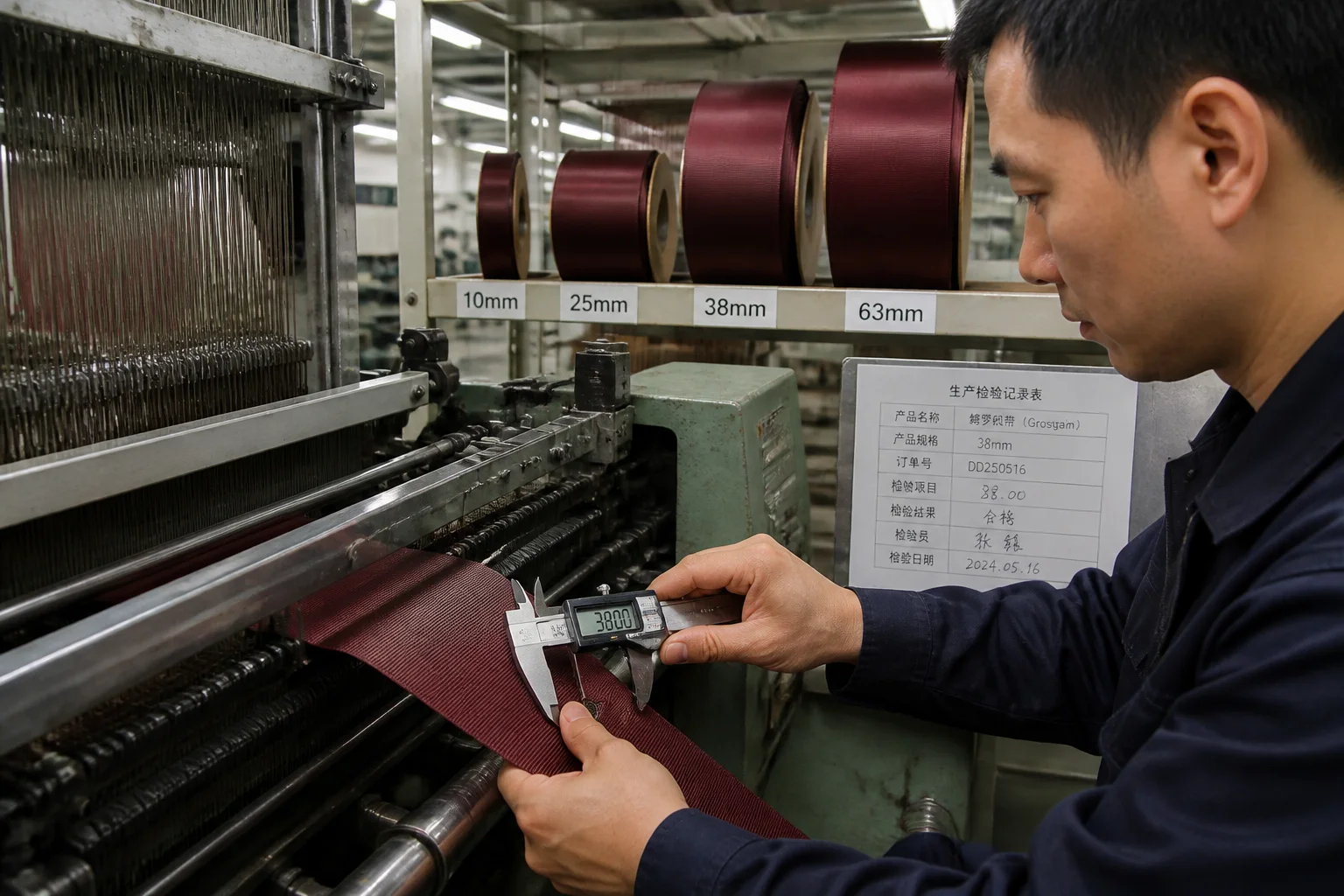
The fix was only partial — the remaining stock was used for hand-tying applications where the 2mm discrepancy didn't matter. The consumed stock could not be refunded. The lesson: check width against specification on receipt, before any stock is consumed. A simple measurement takes 30 seconds and protects your ability to return non-conforming goods in full.
What These Failures Have in Common
Each of these situations shares a common cause: the width was either not specified precisely enough, not tested in production conditions, or not verified on receipt. None of these checks require specialist knowledge or equipment — they require attention at specific points in the procurement and receiving process:
At specification: use millimetres, not descriptions. Attach a physical sample or photo with ruler.
At sampling: test the bow on your actual packaging under production conditions, not in ideal hand-tied conditions.
At receipt: measure width before consuming any stock. Five minutes of checking at intake prevents weeks of disruption.
At reorder: quote the original PO number and attach the original specification — do not reference a previous delivery or describe the product verbally.
Frequently Asked Questions
What happens if I order ribbon that is too narrow for my gift boxes?
The bow looks thin and insignificant — the packaging loses its premium feel and the bow fails its main visual job. You cannot fix this at the packing station; you need to reorder at the correct width.
Can wrong ribbon width cause problems at a gift-wrapping machine?
Yes. Automated bow-making machines are calibrated for specific widths. Using ribbon outside the specified range causes misfeeds, jams, or malformed bows. Always request a test spool before committing to bulk.
How do I avoid ordering the wrong ribbon width from a new supplier?
Specify width in millimetres in the PO, request a pre-production sample, and tie a test bow on your actual packaging before approving bulk production. Never approve based on a width description alone.
What should I do if my ribbon order arrives at the wrong width?
Document immediately with photographs and compare against the PO. A quality supplier will replace non-conforming goods. If the discrepancy is large (5mm+), request replacement before using the goods.
Is it possible to use ribbon that is too wide by cutting it down?
Not practical at scale. Cutting ribbon lengthwise requires precision equipment and adds significant labour cost. For satin ribbon, a raw cut edge frays immediately without heat sealing. Reorder at the correct width. Contact mystyleribbon.com for rapid replacement orders.