Velvet Ribbon for Premium Packaging: Specifications, Applications and Sourcing Guide
A189 | Velvet Ribbon for Premium Packaging: Specifications, Applications and Sourcing Guide
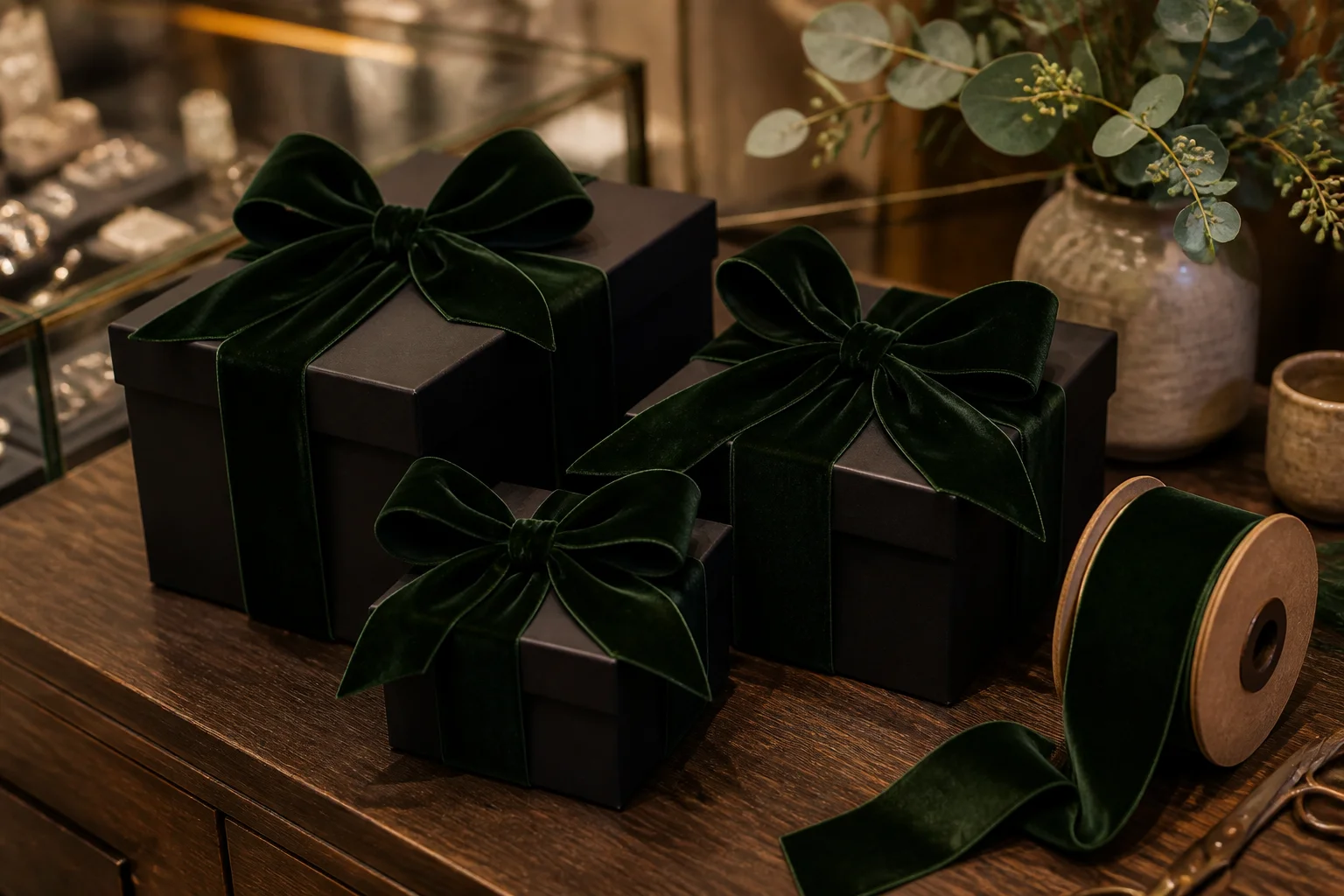
Velvet ribbon occupies a specific position in packaging: it is the choice when a brand wants to communicate premium quality without using a logo or any text. A black gift box with a wide burgundy velvet bow reads differently than the same box with a satin bow — the difference is tactile as much as visual. For buyers sourcing velvet ribbon for premium packaging programmes, understanding its specifications, performance, and sourcing considerations makes the difference between a programme that works and one that does not.
What Velvet Ribbon Is and How It Is Made
Velvet ribbon is a cut-pile woven fabric. Unlike satin or grosgrain, it requires a specialised production process: a face yarn is woven in a looped formation over the ground weave, then cut to produce the upright pile. The pile height, density, and cut direction determines the ribbon's hand, appearance, and behaviour in use.
In most commercial velvet ribbon, both the ground weave and pile are polyester. Higher-end velvet uses a polyester ground with a nylon or viscose pile, which produces deeper colour and a more pronounced directional sheen — the characteristic that causes velvet to look different depending on which way the pile runs. This directional quality creates an impression of luxury difficult to replicate in flat-surface ribbon types.
Key Specifications for Buyers
Width. The most common specification for gift bows is 38mm–50mm, producing a full bow without excessive weight. Narrower widths (10–25mm) are used as accent ribbon. Wider widths (63mm+) are for oversized display bows and event decoration.
Pile height. Standard commercial velvet has pile height of approximately 1.5–2mm. Higher pile (2.5–3mm) produces a more luxurious surface and softer bow but is heavier. Lower pile (under 1.5mm, sometimes called "velveteen") has a flatter surface with less colour depth effect.
Colour consistency. Velvet ribbon colour consistency is more challenging than standard woven ribbon — the pile fibres absorb more dye and produce deeper colours, but the same formulation may produce slightly different depth results if pile height or density varies between lots. Always request samples from two different production batches before approving a supplier.
Edge construction. Woven-edge velvet has a clean, stable selvedge that resists fraying — the more reliable specification for packaging operations where ribbon is stored, cut, and handled repeatedly.
Applications Where Velvet Ribbon Performs Best
Luxury retail gift packaging. High-end cosmetics, jewellery, fragrances, and lifestyle brands use velvet ribbon as the visual signature of their gift-wrapping offering. Velvet photographs with a depth and richness that satin cannot match for dark, saturated colours.
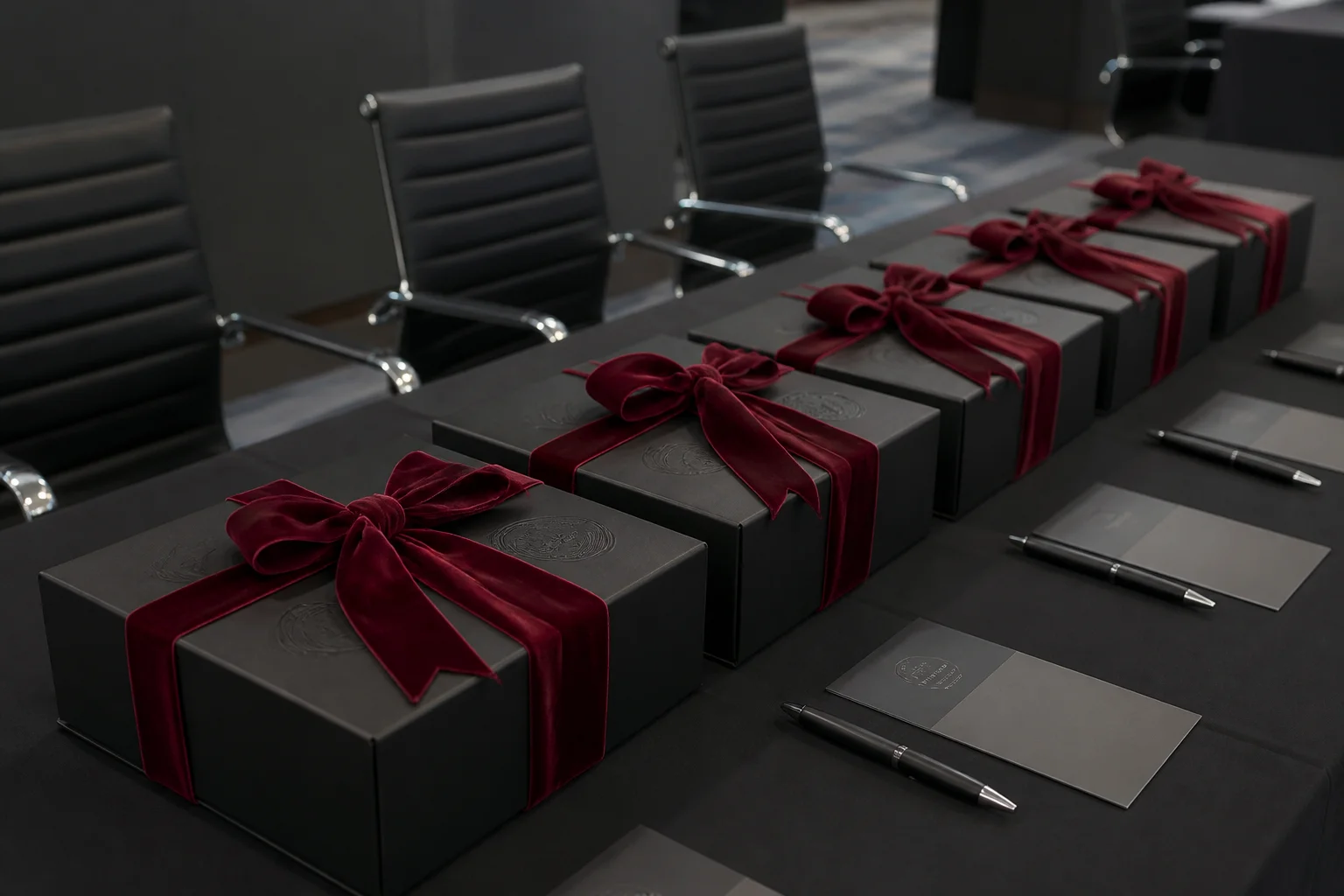
Corporate gifting. Velvet communicates quality and care without being explicit — an alignment that corporate gifting programmes favour for year-end, awards, and milestone gifting.
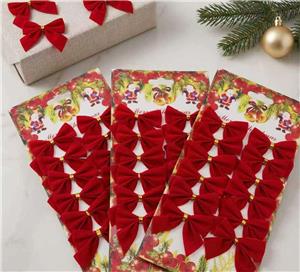
Seasonal decoration. Deep green, burgundy, and midnight blue velvet are the three colours most associated with premium seasonal packaging at Christmas, New Year, and Valentine's Day.
Less suitable applications. Velvet is not recommended for automated bow-tying machines — the pile creates friction that disrupts machine feeding. It is primarily a hand-finishing material.
Sourcing Considerations
Not every ribbon manufacturer produces velvet — it requires specialised looms or cutting equipment and a different dyeing process. When evaluating a velvet ribbon source, confirm that the manufacturer produces velvet in-house rather than subcontracting, as subcontracting introduces additional quality variation and lead time risk.
Colour consistency across batches is a more significant concern in velvet than in standard woven ribbon. Request samples from two different production batches of the same colour before approving a supplier. The pile depth, surface feel, and colour depth should be consistent enough that you cannot easily identify which batch either sample came from.
Xiamen Meisida Decoration Co., Ltd (Smith Ribbon & Bow, mystyleribbon.com) produces velvet ribbon in-house with full control over pile height, dye formulation, and finishing. Custom colour development is available for velvet programmes with brand-specific colour requirements. Contact mystyleribbon.com for samples and programme quotes.
Frequently Asked Questions
What is the difference between velvet and velveteen ribbon?
Velvet ribbon has a longer, denser pile (typically 1.5–3mm) produced by a cut-pile weaving process. Velveteen ribbon has a shorter, flatter pile (under 1.5mm) and a less pronounced directional sheen effect. Velvet is the premium specification; velveteen is used where a velvet-like appearance is required at lower cost. For display bows and premium gift packaging, velvet is the standard choice. Contact mystyleribbon.com for samples of both.
Does velvet ribbon photograph well for e-commerce product images?
Yes. Velvet is one of the most photogenic ribbon types — the pile creates visual depth and a directional colour shift that flat-surface ribbons cannot replicate. Deep colours photograph with particular richness. The pile should run consistently across all bow loops for even colour in photography.
What width of velvet ribbon is best for gift bows?
38mm to 50mm is the standard range for gift presentation bows. 38mm suits most standard gift boxes (up to ~25cm × 20cm). 50mm is better for larger boxes and display bows. For accent applications, 16–25mm is typical. Contact mystyleribbon.com for samples across widths.
Can velvet ribbon be used with automated packaging machines?
Standard velvet ribbon is not recommended for automated bow-tying machines — pile creates friction that causes inconsistent feeding. Some operations apply velvet as a hand-finishing step after machine packaging. For fully automated programmes, grosgrain or wired-edge satin are more reliable.
How should velvet ribbon be stored to maintain pile quality?
Store in sealed packaging away from dust, direct sunlight, and humidity extremes. Do not crush or fold the pile flat for extended periods. Loosely rolled ribbon in sealed polybag packaging maintains pile quality best. Compressed pile can often be partially restored by gentle steaming from a distance. Contact mystyleribbon.com for storage guidance for large programmes.