A164 | Ribbon for Book and Publishing Gift Sets: What Publishers and Booksellers Actually Need and How to Source It
A164 | Ribbon for Book and Publishing Gift Sets: What Publishers and Booksellers Actually Need and How to Source It
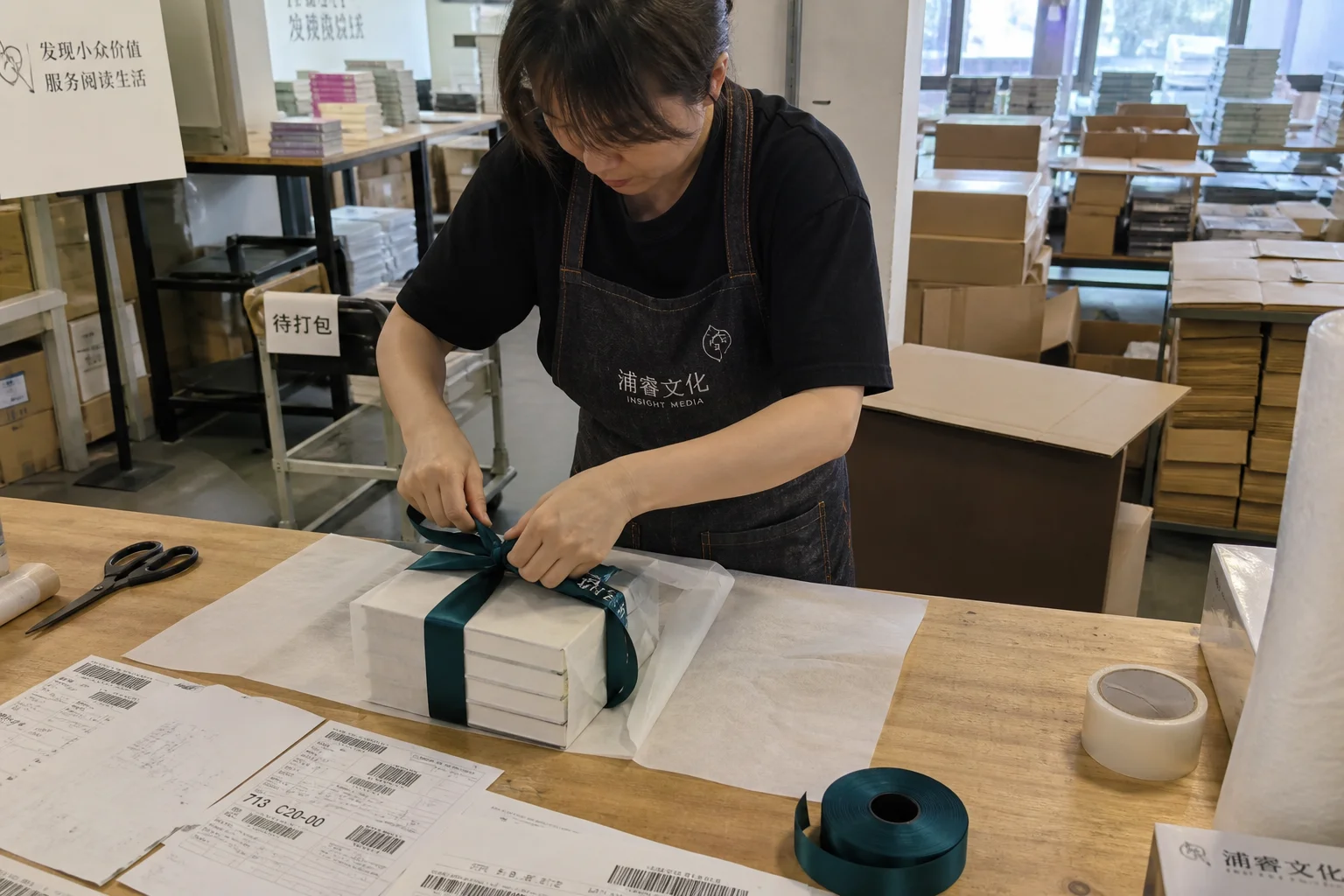
The book and publishing sector is a smaller but consistent market for ribbon, and it has procurement characteristics that make it worth understanding on its own terms rather than treating it as a sub-category of general gift packaging. Publishers and booksellers source ribbon for a specific set of applications — limited edition gift sets, signed edition packaging, bookshop gift-wrapping counters, and seasonal subscription box tie-ins — and the requirements differ in meaningful ways from general gift packaging because the product being packaged has its own strong identity and the ribbon is subordinate to it.
The Four Main Applications
Limited edition gift set packaging: Publisher-produced gift sets, typically for holiday or special occasion sales, where a ribbon adds to the premium positioning of the set. The ribbon is usually visible on the exterior of the box or wrapping and contributes to the first impression. Colours typically reflect the publisher's brand palette or the aesthetic of the specific title.
Signed and special edition wrapping: Individual titles given additional presentation treatment, often for author signing events or subscription service exclusives. The ribbon here is usually narrower — 1 cm to 2 cm — and tied in a simple knot or bow directly on the wrapped book rather than on a box.
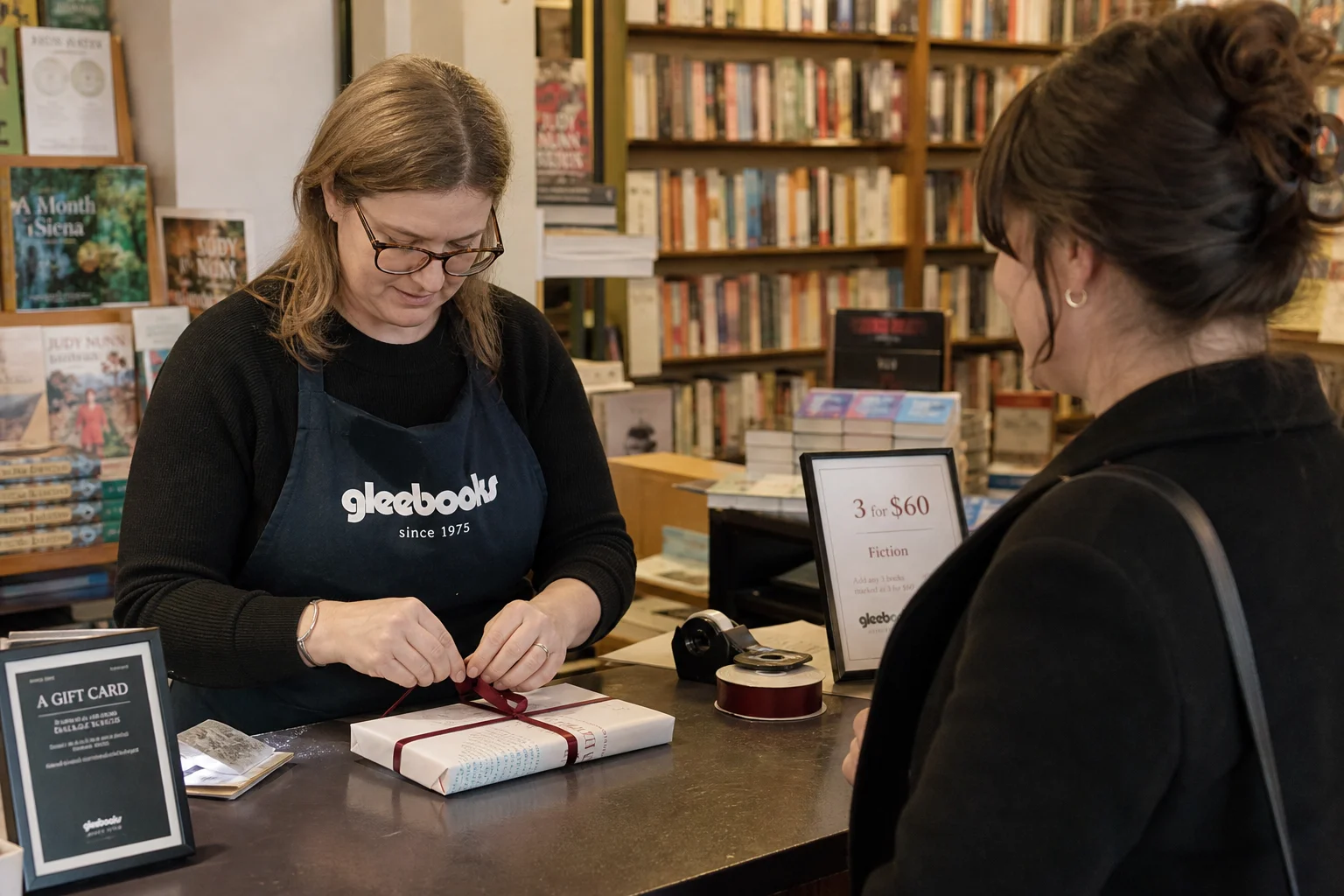
Bookshop gift-wrapping counter stock: Retail bookshops offering in-store gift wrapping maintain a small ongoing stock of ribbon, typically in two or three colours that work across a broad range of titles. This application requires reliable replenishment on relatively small volumes rather than the large single-season orders a gift packaging buyer might place.
Subscription box inserts and ties: Literary subscription boxes — which send curated book selections to members monthly — often use ribbon as part of the interior presentation, tied around the books or used to bundle items together inside the box.
Material Considerations for the Book Category
The book category has two material requirements that are worth flagging explicitly. The first is that ribbon used directly on books — tied around them rather than around a box — must not damage the cover or dust jacket over time. A ribbon that bleeds or transfers dye onto a light-coloured paper surface can damage the product it is meant to enhance. For applications where the ribbon will be in direct contact with a dust jacket for more than a few hours, a simple colour migration test on a representative sample is worth doing before placing a production order.
The second is that cloth ribbon — woven fabric ribbon as opposed to synthetic satin or acetate — is often preferred in the book category because it is perceived as more consistent with the tactile and aesthetic values of the product. A mass-market gift packaging buyer might be satisfied with a standard polyester satin; a publisher producing a limited edition hardcover gift set is more likely to want a grosgrain or a woven ribbon with visible structure and texture. This affects the sourcing decision: cloth ribbon at decent quality costs more per metre than standard satin, and the MOQ structures are sometimes different.
Volume Patterns and What They Mean for Sourcing
Book sector ribbon volumes tend to be highly seasonal and concentrated. The majority of publisher gift set sales happen in the October-to-December period, which means ribbon orders are placed in the August-September window for a single large delivery, then the account is quiet for much of the rest of the year. Bookshop counter stock is the exception: it replenishes steadily in small quantities throughout the year.
For a first-time buyer in this category, the implication is that the MOQ needs to be considered carefully. If your total annual requirement is three hundred metres in two colours, and the standard MOQ is three hundred metres per colour, you may end up carrying excess stock in one colour to qualify for the other. It is worth discussing with your supplier whether a blended MOQ arrangement — meeting the total quantity across multiple colours rather than per-colour — is available, since this is a common accommodation for buyers at the smaller end of the market.
A Note on Width and Finish for This Category
One detail that comes up consistently with book sector buyers is width selection. The instinct for a publisher used to working with standard gift wrapping ribbon is often to go wider — a 4 cm or 5 cm ribbon makes a more prominent visual statement. But on a wrapped book, a wide ribbon can overwhelm the cover, particularly for hardcovers with strong jacket design. The category tends to work better with narrower ribbon in the 1.5 cm to 3 cm range, where the ribbon reads as a deliberate accent rather than a dominant packaging element.
Finish matters too. A high-sheen satin finish can look inexpensive against a matte cover stock if the contrast between the two surfaces is too stark. A grosgrain or a woven ribbon with a more structured, matte-adjacent surface often sits better against the range of cover treatments the book category uses. This is worth testing with physical samples before committing to a large order, since the right answer depends on the specific combination of ribbon and book cover rather than on a general rule.
Colour Selection Considerations
Colour selection for the book category tends to follow one of two logics. The first is brand-consistent selection, where the publisher uses a colour that reflects their house identity — a specific green, navy, or ochre that appears consistently across their packaging and marketing materials. This approach works well for series and imprint packaging where consistent visual identity matters.
The second is title-specific selection, where the ribbon colour is chosen to complement the cover art or theme of a specific book. This produces a more distinctive result but requires a separate colour decision and sourcing process for each title, which adds procurement complexity. Publishers who use this approach for their most significant titles typically maintain a small standing stock of neutral colours — ivory, black, natural linen — for general use and source title-specific colours on a project basis.
For general counter stock: two to three neutral-versatile colours (black, ivory, a seasonal accent) cover most gifting needs
For series packaging: match to the imprint's existing brand palette using physical reference samples
For limited edition projects: allow four to six weeks for colour matching and sample approval if using a non-standard colour