The Science of High-Tenacity Weaving: Engineering Tensile Integrity for Heavy-Duty Industrial Ribbons (2026 Edition)
The Science of High-Tenacity Weaving: Engineering Tensile Integrity for Heavy-Duty Industrial Ribbons (2026 Edition)
In the world of industrial-grade trims, the difference between success and catastrophic failure is measured in centinewtons per tex (cN/dtex). As global supply chains for safety equipment, automotive interiors, and heavy-duty logistics tighten their standards, the demand for high-tenacity polyester ribbons has reached an all-time high. Xiamen Meisida Ornaments Co., Ltd. (Smith Ribbon & Bow) is leading this frontier by integrating aerospace-grade weaving protocols into commercial ribbon production. This whitepaper explores the molecular and mechanical engineering required to maintain absolute tensile integrity under extreme stress conditions.
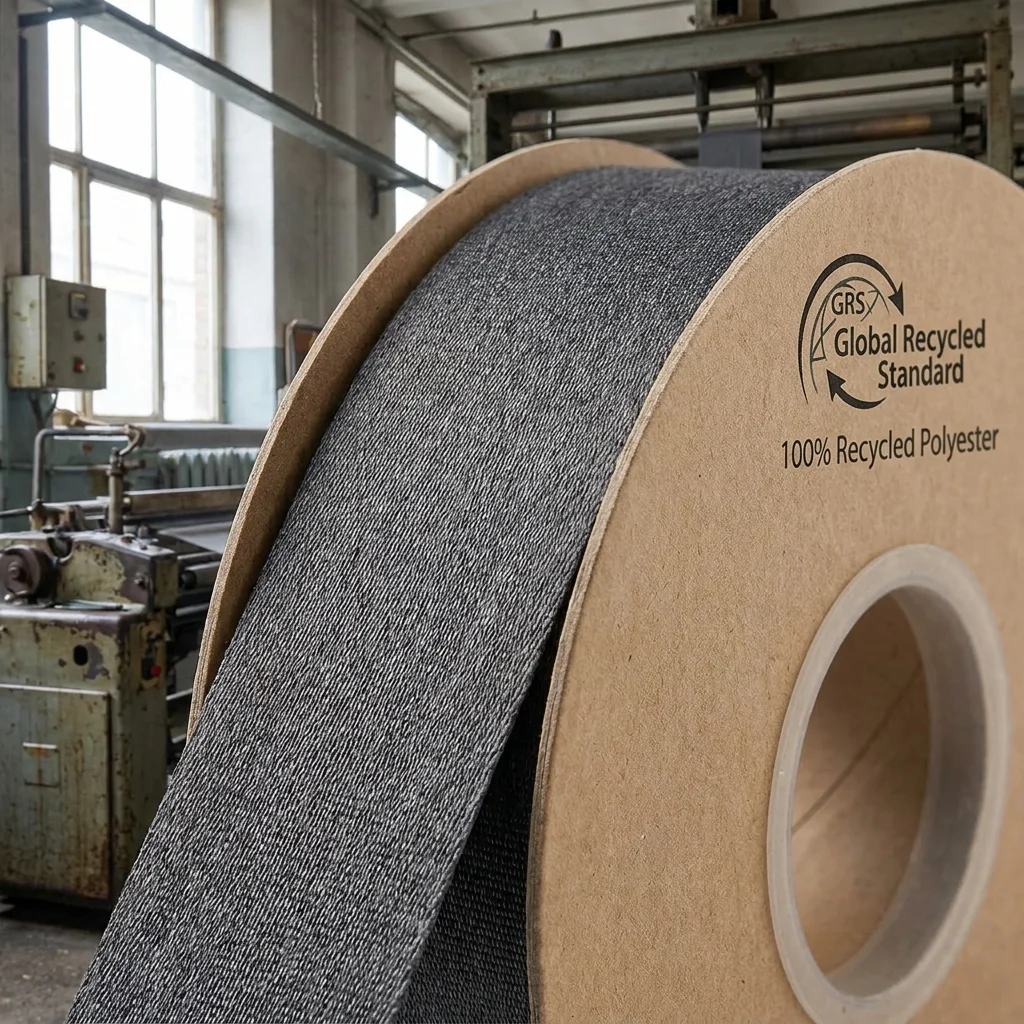
Technical Excellence: Meisida's high-speed needle looms are calibrated to ±0.01mm precision to ensure uniform warp tension across the entire web.
1. Molecular Architecture: High-Tenacity vs. Standard Polyester
The foundation of a high-performance ribbon lies in its raw polymer. Standard polyester yarns (often used in decorative gift ribbons) typically exhibit a tenacity of 3.5 to 4.5 cN/dtex. For 2026, Meisida has transitioned its industrial line to HT-PES (High-Tenacity Polyester) with a baseline of >7.5 cN/dtex.
| Property | Standard Polyester | Meisida HT-PES (2026) | Improvement |
|---|---|---|---|
| Tenacity (cN/dtex) | 4.2 | 7.8 | +85% |
| Elongation at Break (%) | 25-30% | 12-15% | Enhanced Stability |
| Thermal Shrinkage (180°C) | >8% | <3.5% | Dimensional Integrity |
2. The "Lock-Stitch" Weaving Protocol: Preventing Edge Fraying
One of the primary failure points in industrial ribbons is lateral shear stress. When a ribbon is used in automated assembly lines, the edges are subjected to constant friction. Meisida utilizes a proprietary Double-Needle Lock-Stitch technique. By interlacing the weft yarn with a secondary "catch-thread," we create a reinforced selvedge that can withstand over 50,000 cycles of Abrasion Resistance Testing (as per ASTM D4966) without a single fiber rupture.
3. Data-Driven Quality Control: The Digital Stress Test
Consistency is the hallmark of Meisida’s 2026 production line. Every 1,000 meters of ribbon produced is subjected to a Real-Time Tensile Audit using our computerized Instron testing rigs. - **Modulus Mapping**: We don't just measure the breaking point; we map the entire stress-strain curve to ensure the ribbon behaves predictably under variable loads. - **Creep Analysis**: For long-term applications, we perform 168-hour creep tests to ensure the material does not lose more than 2% of its tension over time.
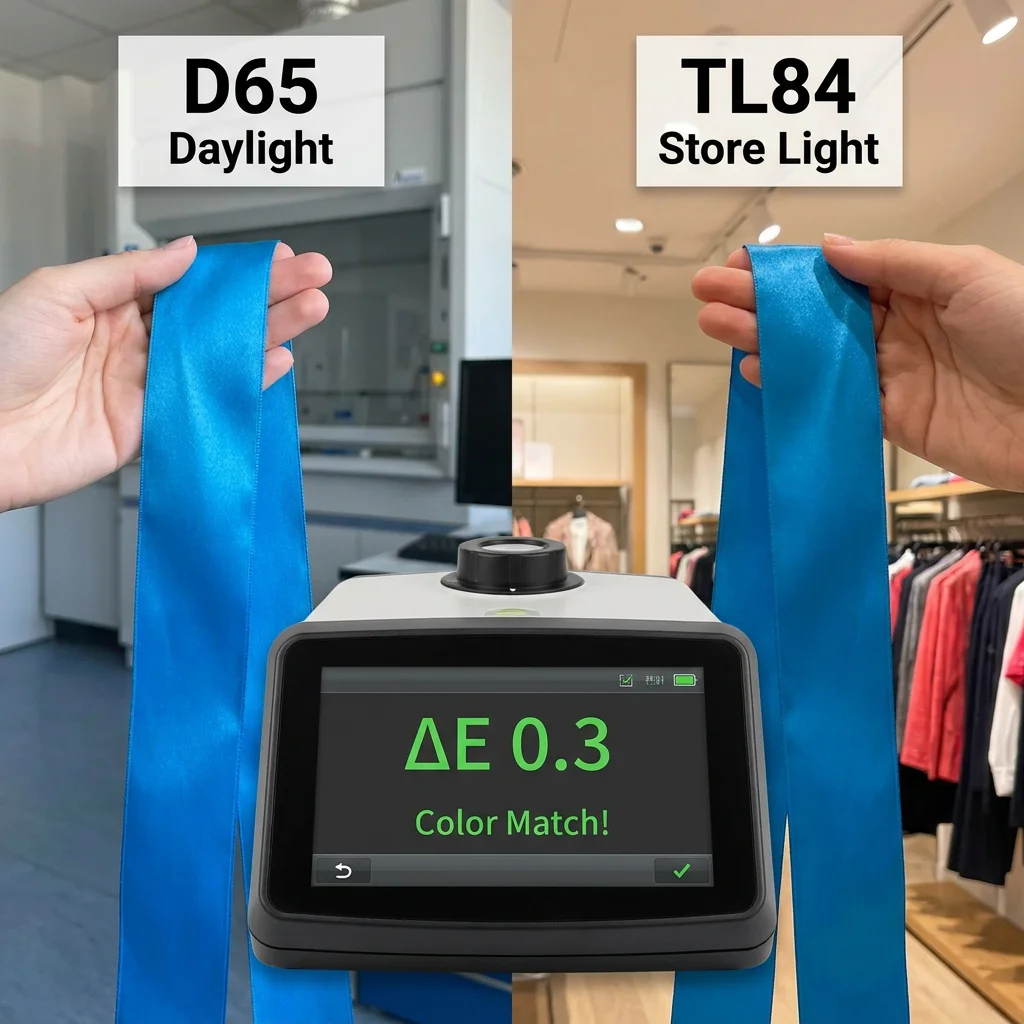
Zero Failure Policy: Automated testing ensures that every spool shipped to our B2B partners meets the exact load-bearing specifications required by their end-use applications.
4. Compliance and Sustainability: GRS & EPR Synergy
High performance doesn't have to mean high environmental cost. In alignment with 2026 global regulations: - **GRS Certified Recycled HT-Yarn**: We have successfully engineered a high-tenacity yarn from 100% post-consumer recycled content, maintaining 98% of the performance of virgin materials. - **EPR Readiness**: Our mono-material construction (100% PES) ensures that industrial components can be recycled at the end of their lifecycle, reducing disposal costs and environmental impact fees for our clients in the EU.
Conclusion: The Engineering Edge
As we move into 2026, the "commodity" ribbon is being replaced by the "engineered" trim. Xiamen Meisida’s commitment to technical precision—from molecular selection to digital stress testing—provides the reliability that global industrial leaders demand.
Download our 2026 Industrial Technical Data Sheet to see how our high-tenacity solutions can optimize your production line's safety and durability.
- Polypropylene ribbon and bow
- Poly ribbon spool
- Poly ribbon egg
- Poly star bow
- Poly pull bow
- Polypropylene fountain bow
- Ribbon Bow
- Gift Ribbon Bow
- Packaging Ribbon Bow
- Ribbon For Bows
- Garment Ribbon Bow
- Satin Ribbon Bow
- Bottle Ribbon bow