How a German Chocolate Gift Brand Switched to Direct-Source Ribbon and Cut Packaging Costs by 28% Without Changing Appearance
How a German Chocolate Gift Brand Switched to Direct-Source Ribbon and Cut Packaging Costs by 28% Without Changing Appearance
A German premium chocolate gift brand producing seasonal hampers had been sourcing their ribbon from a domestic packaging distributor for eight years. The relationship was convenient but increasingly expensive: each year brought a 3–5% price increase, the selection was limited to what the distributor stocked, and lead times had stretched to 4–6 weeks.
When their operations director reviewed packaging material costs in early spring before the Christmas season, ribbon represented 11% of total packaging material spend — the third largest packaging cost category after boxes and tissue paper. At that level, a meaningful cost reduction was worth investigating. This is the story of what they did, how they did it, and what it took to make the transition work.
The Starting Point: What They Were Buying
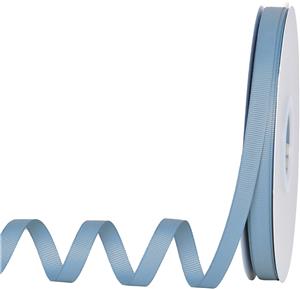
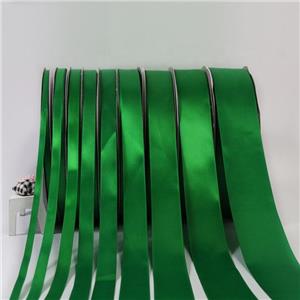
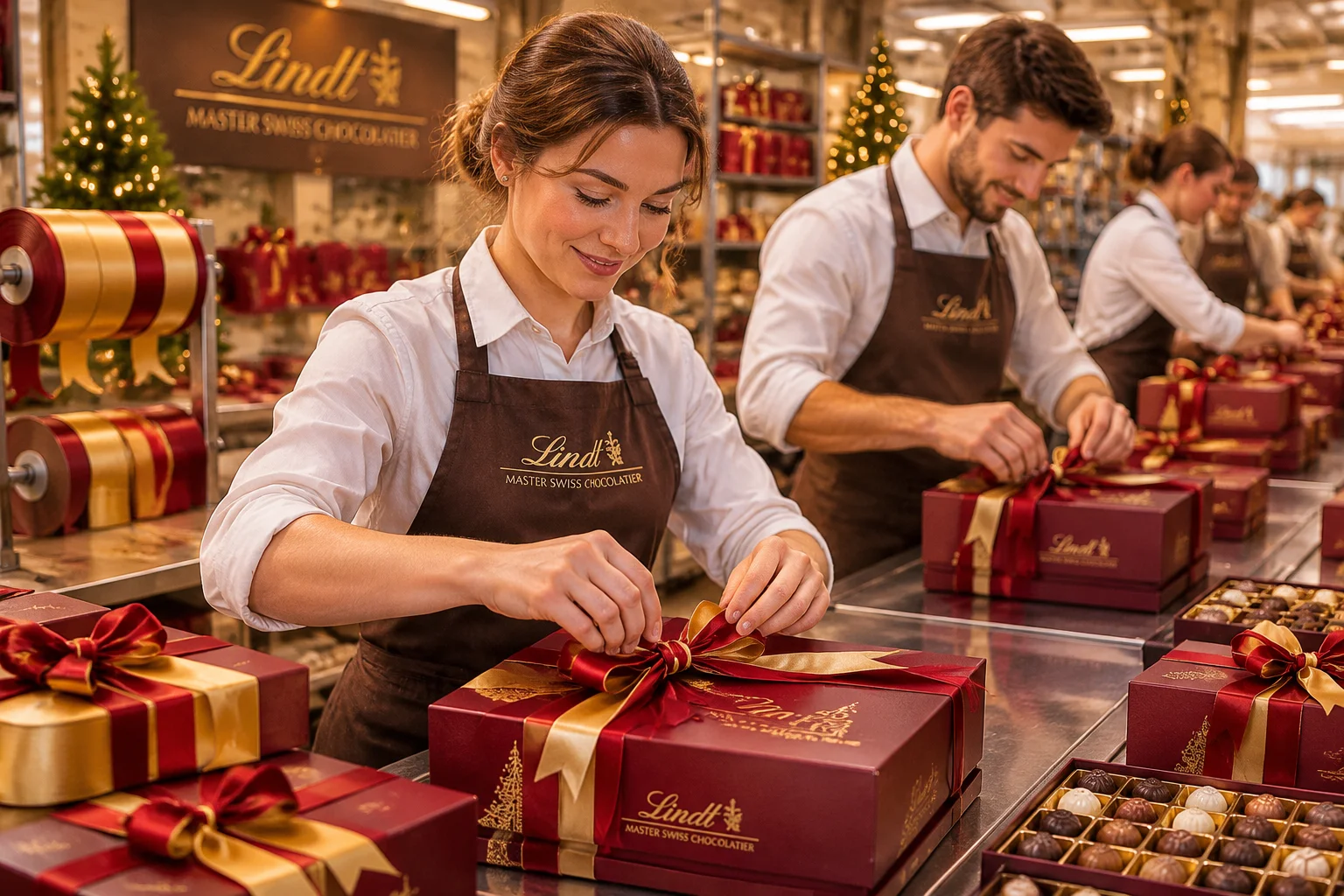
Their ribbon specification was straightforward: deep burgundy and forest green double-faced satin ribbon in 38mm width, with their brand name woven in gold thread at 25cm intervals along the ribbon. The woven branding was a key part of their premium positioning — a simple screen-printed ribbon had been tested and rejected because the print quality didn't survive handling.
Their annual volume was approximately 85,000 meters across the two colors (roughly equal split), used for approximately 42,500 gift hamper boxes per year. At the distributor's pricing, they were paying €1.47/meter including setup allocation, for a total annual ribbon cost of €124,950.
The Research Phase: What Direct Sourcing Actually Meant
The operations director researched factory pricing over three months:
Factory pricing for woven jacquard ribbon at 85,000 meter volume: €0.42–0.52/meter + loom card setup €280–360 per design color (one-time)
Sea freight Xiamen to Hamburg: approximately €0.04/meter at their volume
EU import duties: approximately €0.06/meter
Working capital cost of 30% deposit: vs. distributor's 60-day payment terms
Total effective landed cost: approximately €0.52–0.62/meter, compared to €1.47/meter from the distributor.
The Qualification Process
Price data was encouraging, but woven jacquard ribbon is not a commodity. The quality of the woven branding — the crispness of the gold lettering, the spacing consistency, the color accuracy — was non-negotiable.
They contacted four Chinese factories. Two couldn't demonstrate woven jacquard experience. One required a 150,000-meter minimum. The fourth — Meisida — confirmed the specification and offered a 2,000-meter per color sampling run.
Three evaluation rounds:
Round 1: Loom card design and digital proof review — gold lettering legible at 50cm, interval consistent within ±3mm
Round 2: Physical samples, 10 meters per color — colorfastness test (ΔE < 2.0 required), edge quality, hand feel comparison
Round 3: 500-meter production run to validate batch consistency — €400 sample production cost paid as a thorough evaluation investment
The third-round production sample passed. Burgundy ΔE against their reference: 1.4. Woven interval consistency: ±1.8mm — better than the specification threshold.
The Transition: Logistics and Process Setup
Moving from domestic distributor to Chinese factory required setting up new processes:
Payment terms: 30% deposit + 70% before shipment for first orders, with pathway to 30-day net after three successful deliveries.
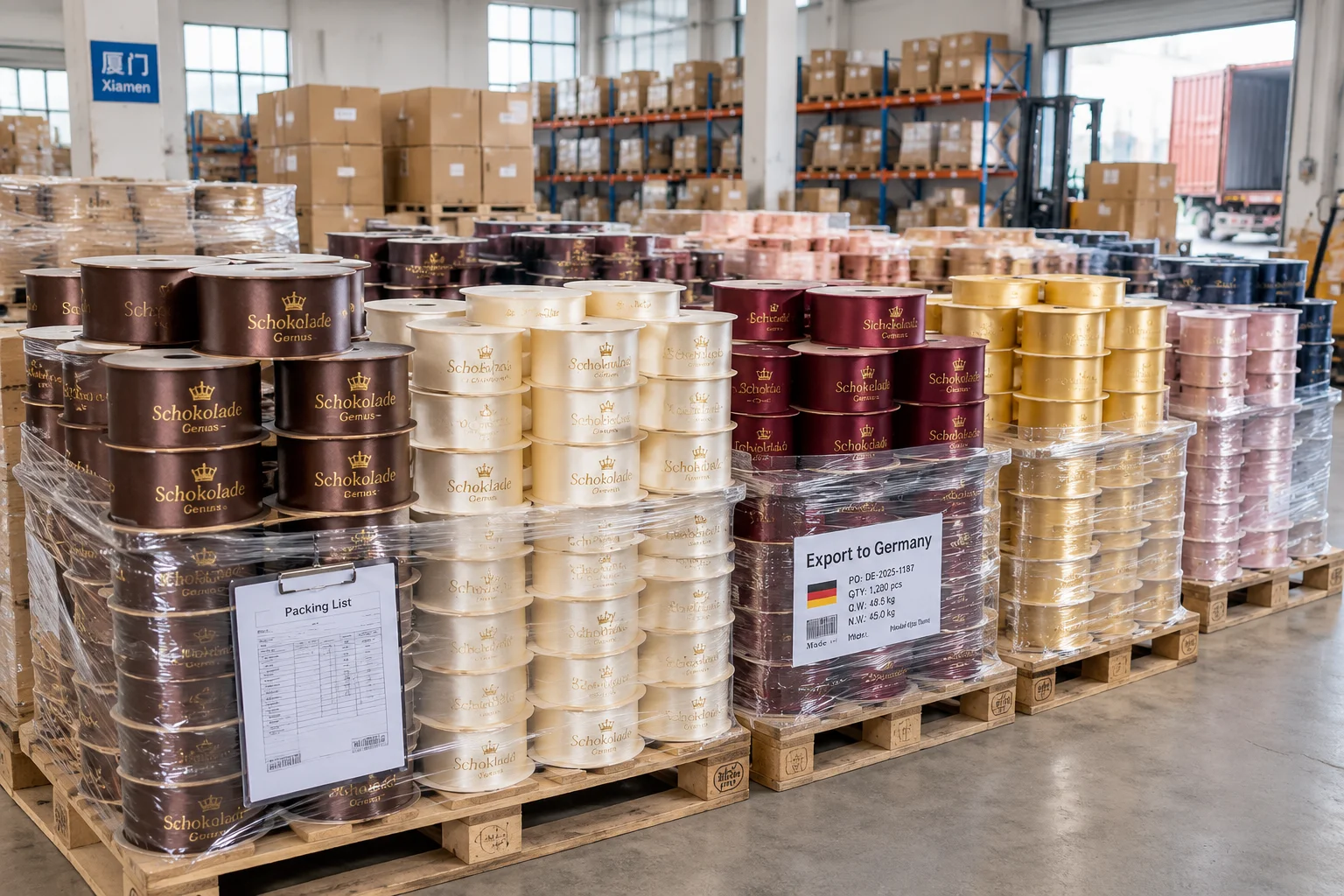
Lead time: Factory production 3–4 weeks + sea freight Xiamen–Hamburg 4–5 weeks + customs 1–2 weeks = 8–11 weeks total. This required moving Christmas order placement from September to June in year one.
Quality inspection: Third-party QC for first two production runs (€350/shipment), then factory QC documentation only after two successful runs.
Buffer stock: 2,000 meters per color at their warehouse to cover the longer lead time and any reorder gap.
Results After Two Full Seasons
Ribbon cost per meter: €1.06 landed (including freight, duties, working capital cost, allocated third-party QC) vs €1.47 from distributor
Total annual saving: €0.41/meter × 85,000 meters = €34,850/year
Quality: Two seasons, zero quality complaints. Interval consistency measured better (±1.8mm) than the original distributor stock
Lead time: Longer overall (8–11 weeks vs. 2–3 weeks) but predictable and manageable with proper planning
The operations director's summary: "The setup cost us about six months of extra work in year one. By the end of year two, we had recovered all of that in savings and the system runs itself. The only ongoing management is placing orders earlier than we used to."
Who This Case Applies To
Direct factory sourcing for branded ribbon makes financial sense when:
Annual volume is at least 20,000 meters per SKU
The ribbon includes branding (woven or printed) — distributor margins are highest here
The buyer has 3–4 months of planning flexibility to accommodate longer lead times
The company has stable annual quantity — spot buying from factories is less efficient than a planned program
Frequently Asked Questions
How much can a European gift brand save by switching to direct factory ribbon sourcing?
Typically 25–40% on landed cost compared to domestic distributor pricing. Savings are highest for custom woven jacquard ribbon, where distributor margins are widest. Factory pricing for custom woven ribbon at 50,000+ meter volume is typically €0.40–0.65/meter landed in Europe.
What volume is needed to justify direct factory sourcing?
Generally 20,000+ meters per SKU per year. At 50,000+ meters, the case is strong. This German case at 85,000 meters generated €34,850/year in savings.
How long does the qualification process take for custom woven ribbon?
6–10 weeks minimum from first contact to approved production sample. Loom card design 1–2 weeks, first physical samples 2–3 weeks, production run validation 2–4 weeks. Budget 10 weeks before committing to a production timeline.
How does EU import duty affect the cost calculation?
EU import duty on woven ribbon is typically 7–12% of customs value — approximately €0.04–0.06/meter at €0.50/meter factory price. Already accounted for in the landed cost calculation above. It does not eliminate the savings versus domestic distributor pricing.
Can quality be maintained over multiple seasons when sourcing directly?
Yes, with the right process: maintain a physical reference sample from the first approved production run, specify ΔE tolerance in the purchase order, and do colorfastness verification on each incoming shipment. This German brand ran two full seasons without quality issues.