Decoding Printing Excellence: Technical Differences Between Foil Stamping and Silk Screen on Textile Substrates
Decoding Printing Excellence: Technical Differences Between Foil Stamping and Silk Screen on Textile Substrates
For product developers and brand managers, selecting the right printing method for a custom ribbon is a decision that balances aesthetic impact with technical durability. Not all printing is created equal, especially when applied to textile substrates like polyester satin or grosgrain. Achieving a high-fidelity logo that doesn't flake, fade, or bleed requires a deep understanding of ink chemistry and application physics. At Xiamen Meisida Ornaments Co., Ltd. (Smith Ribbon & Bow), we specialize in precision printing engineering. This guide breaks down the technical differences between the two most popular methods: Foil Stamping and Silk Screen Printing.
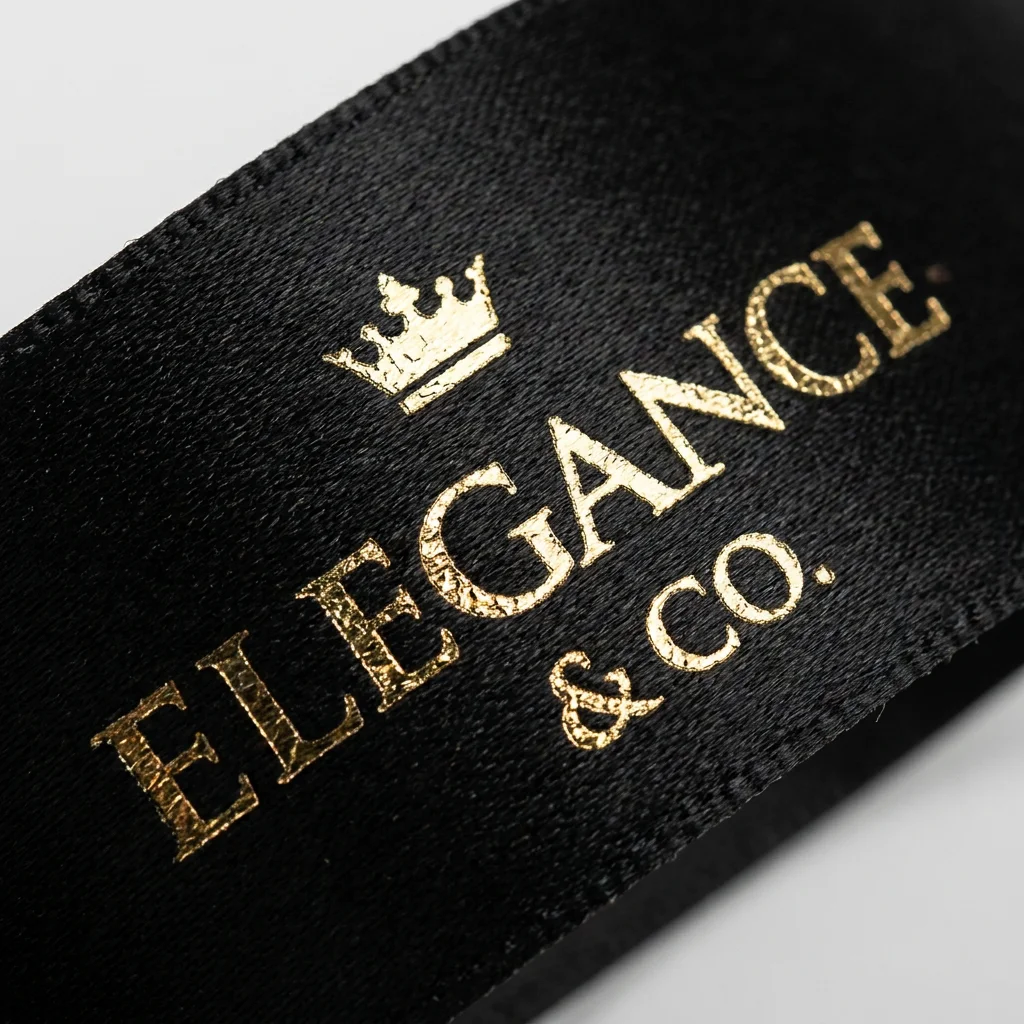
Figure 1: Macro engineering—The sharp, reflective edges of Meisida’s gold foil stamping provide a 3D luxury finish.
1. Foil Stamping (Hot Stamping): The Engineering of Metallic Luster
Foil stamping is a dry printing method that uses heat and pressure to transfer a metallic or pigmented film from a carrier roll onto the ribbon surface. It is the gold standard for luxury branding.
Technical Mechanism: A custom-etched metal die (usually brass or magnesium) is heated to approximately 110°C–130°C. Under extreme pressure, the heat-sensitive adhesive on the back of the foil activates, bonding the metallic layer to the high-filament polyester fibers.
Aesthetic Result: Unmatched reflectivity and a slight debossing (pressed-in) effect that adds tactile depth.
Durability Factors: Excellent for decorative use, but less resistant to heavy machine washing compared to silk screen. Meisida utilizes a special Cross-Link Bonding adhesive that ensures our foil passes a Level 3.5 wash fastness test—well above the industry average.
2. Silk Screen Printing: The Science of Ink Penetration
Silk screen printing is a wet process where liquid ink is pushed through a fine mesh onto the ribbon. It is the most versatile method for high-durability and large-volume orders.
Technical Mechanism: Ink is forced through the open areas of a stencil-covered screen. We utilize high-viscosity silicone or water-based inks that contain specialized curing agents. After application, the ribbon passes through a 30-meter infrared drying tunnel to "cure" the ink, creating a permanent chemical bond with the textile.
Aesthetic Result: Vibrant, solid colors (Pantone matching) and the ability to achieve a "Puff" or 3D raised effect.
Durability Factors: Superior wash and friction fastness. Silk screen is the preferred method for garment labels and ribbons that will undergo heavy handling or industrial laundering.
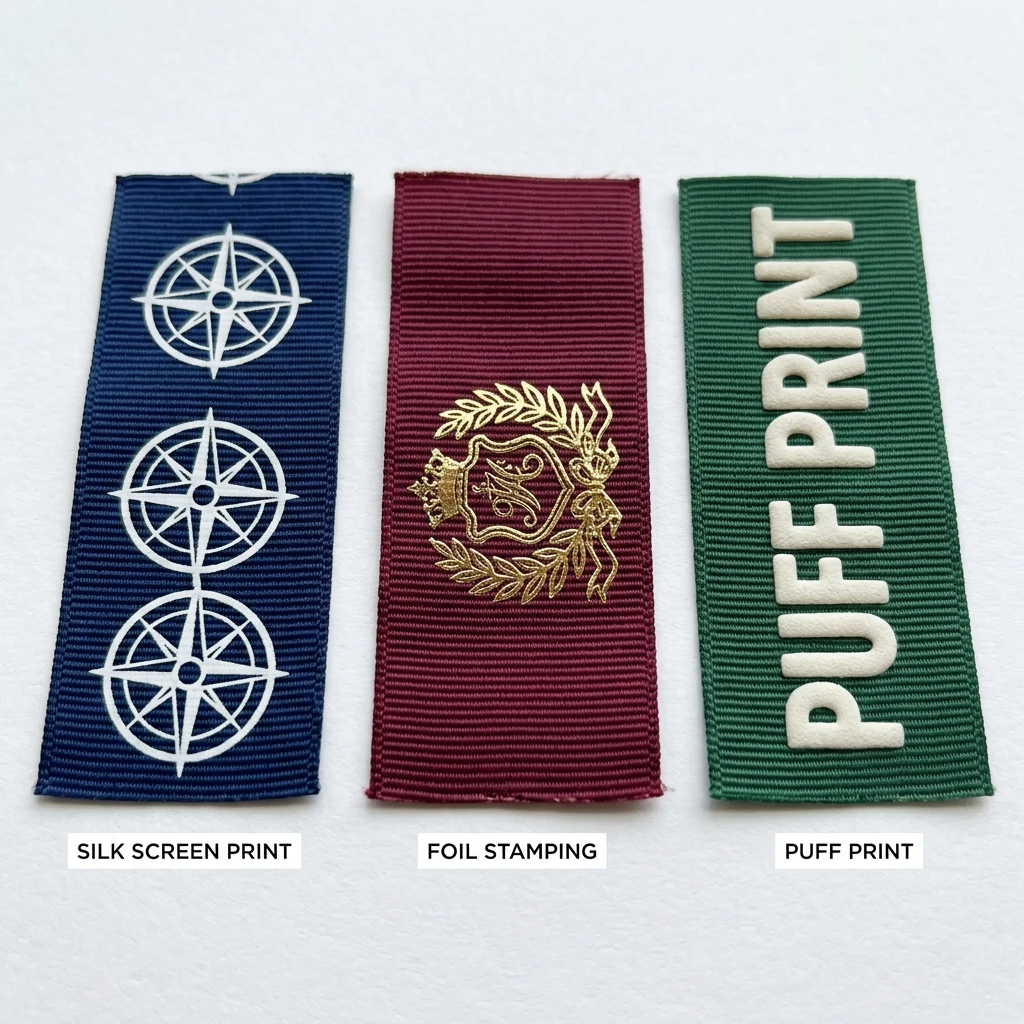
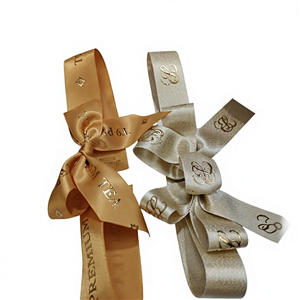
Figure 2: Process Comparison—Meisida’s side-by-side analysis of ink resolution and surface adhesion.
3. Comparative Technical Specifications
| Specification | Foil Stamping (Hot Stamping) | Silk Screen Printing |
|---|---|---|
| Visual Effect | Highly reflective, metallic finish. | Solid colors, matte or glossy, 3D options. |
| Resolution | Extreme (down to 0.15mm lines). | High (down to 0.25mm lines). |
| Wash Fastness (ISO 105-C06) | Grade 3.0–3.5 | Grade 4.0–5.0 |
| Friction Fastness | Moderate | High (Excellent for industrial use). |
| Eco-Compliance | Recyclable (Metal layers are microns thin). | Water-based, PVC-free options available. |
Conclusion: Choosing the Right Tool for the Brand
The choice between foil and silk screen depends on the final application. If your priority is a High-Luxury, Aesthetic Impact for high-end gift packaging, foil stamping is the superior choice. If your priority is Technical Durability and Longevity for garment trims or industrial accessories, silk screen printing remains the industry workhorse.
At Meisida, we don't just "print"—we engineer solutions. Our technical lab is available to run custom adhesion and fastness tests on your specific logo and material combination. Contact us today to request our 2026 Printing Spec Kit, featuring physical samples of all major techniques.
- Polypropylene ribbon and bow
- Poly ribbon spool
- Poly ribbon egg
- Poly star bow
- Poly pull bow
- Polypropylene fountain bow
- Ribbon Bow
- Gift Ribbon Bow
- Packaging Ribbon Bow
- Ribbon For Bows
- Garment Ribbon Bow
- Satin Ribbon Bow
- Bottle Ribbon bow