Why Grosgrain Ribbon Has Ridges — The Weave Science Behind the Texture
Why Grosgrain Ribbon Has Ridges — The Weave Science Behind the Texture
Grosgrain ribbon is one of the most recognisable ribbon types in packaging and fashion — the characteristic parallel ridges running across the ribbon width are immediately identifiable, even at a glance. But where do those ridges come from, and why do they make grosgrain behave so differently from smooth satin ribbon? The answer is in the weave structure, and understanding it helps explain why grosgrain is the default choice for so many professional packaging applications.
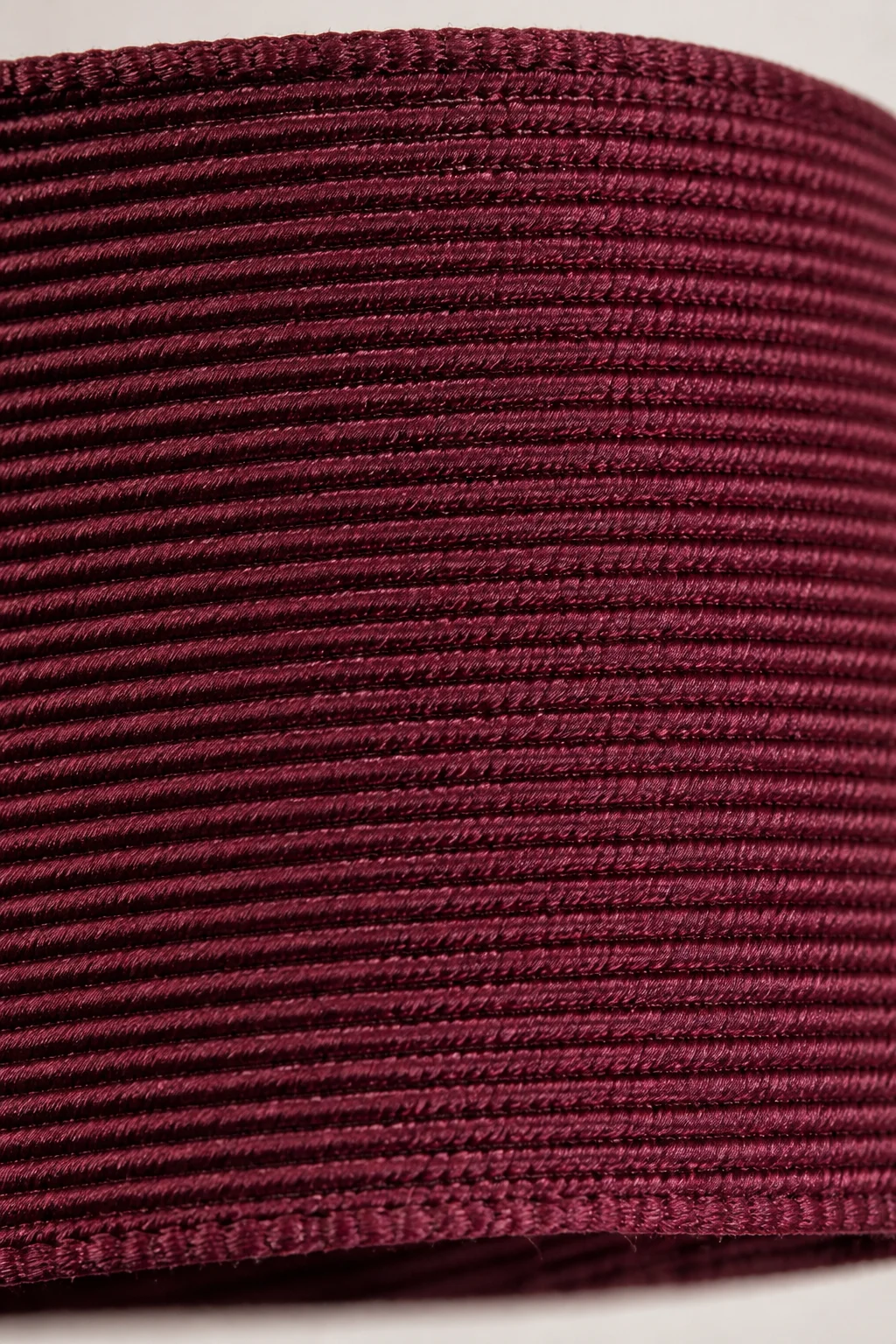
The Anatomy of Grosgrain: Warp and Weft
To understand grosgrain, it helps to know the two basic thread directions in any woven fabric:
Warp threads run along the length of the ribbon — in the direction you would unroll it from the spool.
Weft threads run across the width of the ribbon — perpendicular to the warp.
In grosgrain ribbon, the weft threads are significantly heavier (thicker) than the warp threads. During weaving, these thick weft threads are beaten very tightly together by the loom's reed mechanism, packing them closely side by side. This dense packing of heavy weft threads is what creates the ribs — each rib is one thick weft thread, and because they are packed tightly, the ribs are visible and consistent across the full ribbon surface.
The term "grosgrain" comes from the French "gros grain" meaning "large grain" — a direct reference to these prominent weft ribs.
Why the Ribs Make Grosgrain Stiffer
The dense, tightly packed weft structure creates a fabric that is significantly stiffer and more dimensionally stable than satin ribbon. In satin, the warp threads float over multiple weft threads before interlacing — this loose floating structure creates the smooth surface and flexible hand that satin is known for.
Grosgrain's rep weave (the technical name for the structure used) creates a much firmer interlacement. There is very little movement possible between the warp and weft threads once they are woven, which gives grosgrain its characteristic body. This stiffness is why grosgrain ribbons hold a bow shape more reliably than satin ribbons of similar weight — and why they are the construction of choice for machine-tied bows in high-volume production.
The Selvedge: Why Grosgrain Resists Fraying
The same dense weave structure that creates the ribs also protects the ribbon edges. Grosgrain's tightly interlaced edge threads — the selvedge — are locked firmly in place by the rep weave structure. Cutting grosgrain across its width produces a clean edge that resists unravelling significantly better than an equivalent cut in satin ribbon.
In satin ribbon, the long floating warp threads at the cut edge can pull free relatively easily, causing fraying. This is why satin ribbon cut edges are typically heat-sealed in professional packaging operations. Grosgrain ribbon does not require heat sealing for most applications — the weave structure provides sufficient edge integrity on its own.
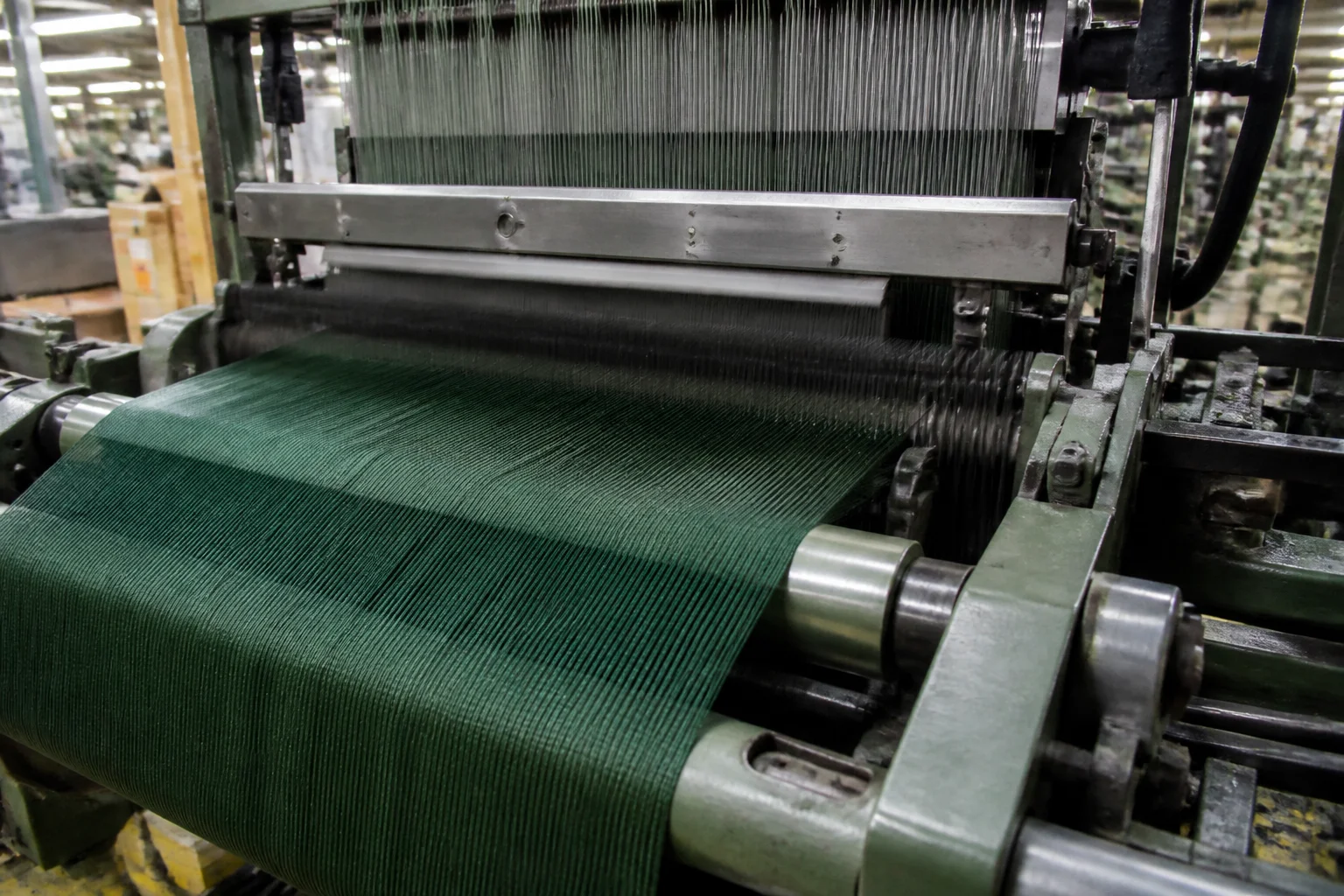
Rib Size and Construction Variations
Not all grosgrain ribbon has identical ribs. The rib size depends on the weft yarn count (a measure of yarn thickness):
Fine grosgrain (petersham): Uses thinner weft yarn, producing smaller, tighter ribs with a smoother overall appearance. More flexible and drapeable than standard grosgrain. Often used in hat making and couture trimmings.
Standard grosgrain: The most common commercial ribbon construction. Medium rib size, good stiffness, excellent printability and durability. The default choice for corporate gifting and retail packaging.
Heavy grosgrain: Uses heavier weft yarn and produces more pronounced, wider ribs. Very stiff and dimensional. Used for hat ribbons, uniform decoration, and applications where maximum durability is required.
For most packaging and gifting applications, standard grosgrain is the correct specification. The rib size should be specified explicitly when ordering for premium or branded programmes where visual consistency matters.
Grosgrain vs Satin: A Structural Summary
Grosgrain: Rep weave, heavy weft, dense rib structure, matte finish, high durability, good edge integrity, excellent for print and machine application
Satin: Float weave, light weft, smooth floating structure, high sheen, elegant appearance, requires more careful edge treatment, better hand for decorative bowing
Both constructions are manufactured from the same base material (polyester in most commercial ribbon) and are available in the same colour range. The structural difference is entirely in the weave — and it produces two ribbons with very different physical properties and visual character.
Frequently Asked Questions
Why does grosgrain ribbon have ridges?
The ridges are formed by heavy weft threads packed tightly together during weaving. Each rib is one thick weft thread. The dense packing creates the characteristic parallel rib texture — "grosgrain" means "large grain" in French, referring directly to these ribs.
What makes grosgrain ribbon stiff compared to satin?
The rep weave structure locks warp and weft threads tightly together with very little movement possible between them. This creates a firm, dimensionally stable fabric, unlike satin's loose float weave which produces a soft, flexible hand.
Does the rib size vary in different grosgrain ribbons?
Yes. Finer weft yarn produces tighter, smaller ribs (petersham / fine grosgrain). Heavier yarn produces more pronounced ribs. Standard commercial grosgrain uses medium rib size, which is the correct specification for most packaging and gifting programmes.
Why is grosgrain ribbon more resistant to fraying than satin?
The tightly interlaced selvedge edge in grosgrain locks edge threads firmly in place. Satin's floating warp threads can pull free at cut edges easily. Grosgrain rarely requires heat sealing; satin typically does for professional packaging use.
Is grosgrain ribbon made from the same materials as satin ribbon?
Yes — both are typically made from polyester yarn. The difference is entirely structural (weave type), not material. Both are available in nylon and recycled polyester (GRS-certified) variants. Contact mystyleribbon.com for material specifications.